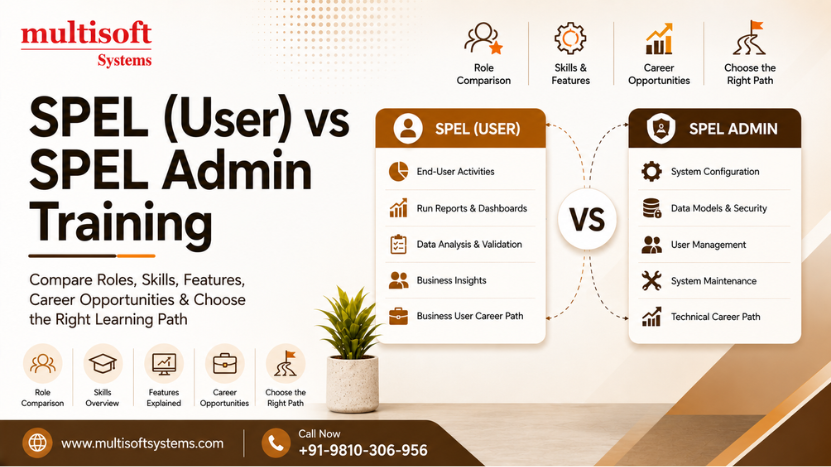
Modern engineering projects require accurate electrical design, efficient project management, and standardized engineering documentation. Industries such as oil and gas, power generation, petrochemicals, pharmaceuticals, manufacturing, and infrastructure rely on advanced engineering software to improve productivity and reduce project risks. One of the widely used electrical engineering solutions is SPEL, which helps organizations design, manage, and maintain electrical engineering data throughout the project lifecycle. Within the SPEL environment, professionals generally work in two important roles: SPEL (User) and SPEL Admin. Although both roles use the same software platform, their responsibilities, skills, and career paths are quite different. A SPEL user focuses on creating electrical drawings, cable schedules, reports, and engineering documentation, while a SPEL administrator manages the software environment, databases, project settings, user permissions, and system performance. Choosing the right training depends on your current experience and future career goals. Engineers and designers usually prefer SPEL (User) training, whereas system administrators and engineering application specialists benefit from SPEL Admin training.
This guide compares both learning paths, explains their responsibilities, highlights the skills required, and helps you decide which training is the best fit for your professional growth.
What is SPEL?
SPEL is a specialized electrical engineering design software used to create, manage, and maintain electrical documentation for industrial projects. It helps engineers design electrical schematics, wiring diagrams, cable schedules, panel layouts, and equipment connections with greater accuracy and consistency. By storing engineering information in a centralized database, SPEL improves collaboration among project teams, reduces manual errors, and ensures that all engineering documents follow company and industry standards. The software is widely used in industries such as oil and gas, power generation, petrochemicals, manufacturing, utilities, and EPC projects where reliable electrical design is essential. SPEL also supports efficient project management by simplifying design updates, document revisions, and engineering data management throughout the project lifecycle. Its powerful design and administration capabilities make it an important solution for organizations handling complex electrical engineering projects.
SPEL (User) and SPEL Admin Overview
SPEL (User) and SPEL Admin are two essential roles that work together to ensure efficient electrical engineering project execution. A SPEL user is primarily responsible for creating electrical drawings, cable schedules, wiring diagrams, reports, and engineering documentation required for industrial projects. Their focus is on design accuracy, productivity, and maintaining engineering standards. In contrast, a SPEL Admin manages the complete software environment by handling project configuration, database administration, user management, security settings, catalog maintenance, system performance, and software troubleshooting. While users concentrate on engineering activities, administrators ensure the platform operates smoothly and supports engineering teams without interruptions. Together, these roles improve collaboration, maintain data consistency, and help organizations complete engineering projects more efficiently. Understanding the differences between these roles enables professionals to select the right training program based on their technical background and career objectives.
What is SPEL (User)?
A SPEL (User) Training is an engineering professional who uses the SPEL software to perform day-to-day electrical design and documentation tasks. Their responsibilities include creating electrical schematics, wiring diagrams, cable schedules, panel layouts, and various engineering reports needed for industrial projects. SPEL users work with predefined engineering standards, symbol libraries, and project databases to produce accurate and consistent documentation throughout the project lifecycle. They collaborate closely with electrical engineers, instrumentation engineers, project managers, and design teams to ensure project requirements are met on time and with high quality. A successful SPEL user should have a strong understanding of electrical engineering concepts, engineering documentation, and industrial design practices. By using SPEL effectively, users can improve design accuracy, reduce errors, enhance productivity, and contribute to the successful completion of complex engineering projects across industries such as oil and gas, power, manufacturing, petrochemicals, and infrastructure.
What is SPEL Admin?
A SPEL Admin Training is a technical professional responsible for managing, configuring, and maintaining the complete SPEL software environment within an organization. Unlike a SPEL user who focuses on electrical design and engineering documentation, a SPEL administrator ensures that the software operates efficiently by managing databases, project configurations, user accounts, security settings, engineering catalogs, and system performance. Their responsibilities also include installing and upgrading the software, creating project templates, assigning user permissions, performing backups, recovering data, and troubleshooting technical issues to minimize project downtime. SPEL administrators work closely with engineering teams to ensure that every project follows standardized workflows and that users have secure access to the resources they need. By maintaining a stable and well-organized engineering environment, they help improve productivity, data accuracy, collaboration, and project efficiency. A skilled SPEL Admin plays a critical role in supporting large-scale engineering projects across industries such as oil and gas, power generation, petrochemicals, manufacturing, infrastructure, and EPC organizations, ensuring reliable system performance throughout the project lifecycle.
|
SPEL (User) vs SPEL Admin - Quick Comparison |
||
|
Feature |
SPEL (User) |
SPEL Admin |
|
Primary Role |
Electrical design |
System administration |
|
Main Focus |
Engineering documentation |
Software and database management |
|
User Access |
Standard |
Administrative |
|
Project Work |
Design execution |
Project setup |
|
Database |
Uses project data |
Manages databases |
|
Configuration |
Limited |
Complete |
|
User Management |
No |
Yes |
|
Best For |
Engineers and Designers |
Administrators and CAD Managers |
Why Organizations Need Both Roles
Large engineering projects involve thousands of electrical components, hundreds of drawings, and multiple engineering teams working simultaneously. Without clear role separation, projects become difficult to manage and maintain.
A SPEL user ensures engineering information is accurate, while a SPEL administrator ensures the engineering platform remains secure, stable, and properly configured.
This combination allows organizations to:
- Improve engineering productivity
- Reduce project delays
- Standardize documentation
- Improve collaboration
- Protect engineering data
- Maintain system performance
- Support large engineering teams
- Deliver projects with greater accuracy
As engineering projects become more complex, organizations increasingly rely on both skilled SPEL users and experienced SPEL administrators to ensure successful project delivery.
Features Comparison
Although SPEL (User) and SPEL Admin work within the same software platform, their features and capabilities differ according to their responsibilities. Users focus on engineering design and documentation, while administrators manage the technical environment that supports engineering activities.
|
Feature |
SPEL (User) |
SPEL Admin |
|
Electrical Design |
? |
? |
|
Drawing Creation |
? |
? |
|
Cable Schedule Management |
? |
? |
|
Project Configuration |
Limited |
? |
|
Database Management |
View and Update |
Complete Management |
|
User Management |
? |
? |
|
Security Management |
? |
? |
|
Project Templates |
Uses Templates |
Creates Templates |
|
Symbol Library Access |
Uses Libraries |
Creates and Maintains Libraries |
|
Report Generation |
? |
? |
|
Software Configuration |
? |
? |
|
Backup and Recovery |
? |
? |
|
System Monitoring |
? |
? |
|
Performance Optimization |
? |
? |
|
Troubleshooting |
Basic |
Advanced |
The comparison shows that SPEL (User) is designed for engineering productivity, whereas SPEL Admin focuses on system management, configuration, and maintaining a stable working environment.
Skills Required for SPEL (User)
- Electrical engineering fundamentals
- Electrical schematic design
- Wiring diagram creation
- Cable scheduling
- Panel layout design
- Instrumentation basics
- Engineering documentation
- Knowledge of electrical symbols and standards
- Report generation
- Design validation and error checking
- Problem-solving skills
- Analytical thinking
- Attention to detail
- Team collaboration
- Time management
- Understanding of industrial project workflows
- Basic knowledge of EPC projects
- Communication skills
Skills Required for SPEL Admin
- SPEL software installation and configuration
- Project setup and administration
- Database management
- User account management
- Role and permission management
- Engineering catalog management
- Symbol library management
- System configuration
- Backup and recovery
- Performance monitoring and optimization
- Software troubleshooting
- Security management
- Project template creation
- Engineering standards management
- Technical support skills
- System maintenance
- Knowledge of Windows Server and databases
- Problem-solving and analytical skills
- Documentation management
- Team coordination and communication
Industries Using SPEL
- Oil and Gas
- Petrochemical Plants
- Chemical Processing Industries
- Power Generation Plants
- Renewable Energy Projects
- Nuclear Power Facilities
- Water and Wastewater Treatment Plants
- Manufacturing Industries
- Pharmaceutical Manufacturing
- Food and Beverage Processing
- Mining and Metals
- Marine and Offshore Engineering
- EPC (Engineering, Procurement, and Construction) Companies
- Industrial Automation Projects
- Process Industries
- Utilities and Energy Distribution
- Infrastructure Development Projects
- Smart City Projects
- Pulp and Paper Industry
- Cement and Heavy Engineering Plants
Why Companies Use SPEL
Companies use SPEL because it provides a reliable and efficient platform for managing electrical engineering design and documentation throughout the entire project lifecycle. The software helps engineering teams create accurate electrical schematics, wiring diagrams, cable schedules, panel layouts, and reports while maintaining standardized engineering practices. By storing project information in a centralized database, SPEL improves collaboration among engineers, designers, and project managers, ensuring everyone works with consistent and up-to-date data. It also reduces manual errors, speeds up design revisions, simplifies document management, and enhances overall project productivity. Organizations benefit from improved data accuracy, better quality control, streamlined workflows, and faster project delivery. In industries such as oil and gas, power generation, manufacturing, petrochemicals, utilities, and EPC, SPEL supports complex engineering projects by providing a secure and scalable environment for both design and administration. Its ability to combine engineering efficiency with centralized project management makes SPEL a preferred solution for companies seeking higher productivity, improved documentation quality, and successful project execution.
Benefits of SPEL Training
Whether you choose SPEL (User) or SPEL Admin, professional training provides practical knowledge that can significantly improve your career prospects.
Some key benefits include:
- Learn industry-standard engineering software
- Gain practical project experience
- Improve electrical design skills
- Understand engineering workflows
- Develop administrative expertise
- Increase employability
- Build confidence in real-world projects
- Prepare for engineering roles in EPC companies
- Enhance productivity using modern engineering tools
- Expand career opportunities in multiple industries
Career Opportunities
Completing SPEL (User) or SPEL Admin training can open doors to a wide range of career opportunities in engineering, industrial automation, and EPC industries. As organizations continue to adopt digital engineering solutions, professionals with hands-on SPEL expertise are in demand for designing, managing, and maintaining electrical engineering projects. Whether you prefer technical design work or system administration, both training paths provide excellent opportunities for long-term career growth.
Career Opportunities After SPEL (User) Training
- Electrical Design Engineer
- Electrical CAD Designer
- Instrumentation Designer
- Electrical Drafting Engineer
- Control System Engineer
- Electrical Documentation Engineer
- Project Design Engineer
- Design Coordinator
- Engineering Documentation Specialist
- Electrical Project Engineer
Career Opportunities After SPEL Admin Training
- SPEL Administrator
- Engineering Systems Administrator
- CAD Administrator
- Engineering Application Administrator
- Engineering Database Administrator
- Project Systems Administrator
- Engineering Software Specialist
- Technical Support Engineer
- Engineering IT Administrator
- Digital Engineering Consultant
Professionals who learn both roles become more valuable because they understand engineering workflows as well as software administration.
Which Training Should You Choose?
Selecting the right training depends on your current job role, technical background, and career aspirations.
Choose SPEL (User) training if you want to:
- Create electrical drawings and schematics
- Work as an electrical design engineer
- Prepare engineering documentation
- Develop cable schedules and panel layouts
- Build a career in electrical engineering and design
Choose SPEL Admin training if you want to:
- Configure and manage the SPEL environment
- Administer engineering databases
- Manage users and security
- Support engineering teams
- Handle project configuration and system maintenance
If your goal is to become an engineering specialist, project lead, or CAD administrator, learning both courses can provide a significant advantage by combining design expertise with system administration skills.
Benefits of Learning Both SPEL (User) and SPEL Admin
Learning both SPEL (User) and SPEL Admin provides a complete understanding of the software and enables professionals to contribute across multiple stages of an engineering project. Instead of being limited to one role, you gain the flexibility to handle both engineering design and system administration tasks.
Some major benefits include:
- Comprehensive understanding of the SPEL platform
- Strong technical and administrative knowledge
- Better coordination between engineering and IT teams
- Higher employability across multiple industries
- Improved project management capabilities
- Ability to solve both design and system-related issues
- Better career growth opportunities
- Increased professional value within organizations
- Eligibility for leadership and administration roles
- Greater flexibility in handling complex engineering projects
Professionals with expertise in both areas are often considered valuable resources because they can support engineering teams while maintaining the software environment efficiently.
Future Scope
The future of SPEL professionals remains promising as engineering organizations continue to modernize their design processes through digital engineering platforms. Large infrastructure developments, renewable energy projects, industrial automation, and smart manufacturing initiatives require efficient electrical design and reliable engineering data management. As companies increasingly adopt integrated engineering solutions, there is a growing need for professionals who can create accurate engineering documentation while managing secure and efficient engineering environments. Skilled SPEL users and administrators are expected to play a crucial role in supporting digital transformation initiatives across engineering industries. Professionals who continuously update their technical knowledge and gain practical experience can expect long-term career stability, leadership opportunities, and the chance to work on large-scale national and international engineering projects.
Who Should Enroll?
Both training programs are designed for professionals and graduates who want to build expertise in electrical engineering design or engineering software administration.
SPEL (User) Training is Ideal For:
- Electrical Engineers
- Instrumentation Engineers
- Electrical Designers
- CAD Engineers
- Drafting Professionals
- Engineering Graduates
- EPC Professionals
- Project Engineers
SPEL Admin Training is Ideal For:
- CAD Administrators
- Engineering System Administrators
- Engineering Application Specialists
- Database Administrators
- Technical Support Engineers
- Engineering IT Professionals
- Project Administrators
- Experienced SPEL Users looking to advance their careers
Whether you are beginning your career or looking to expand your technical expertise, these training programs provide practical knowledge that aligns with industry requirements.
Conclusion
Both SPEL (User) and SPEL Admin play essential roles in ensuring the success of modern electrical engineering projects. While SPEL (User) focuses on creating accurate electrical drawings, cable schedules, schematics, and engineering documentation, SPEL Admin is responsible for managing the software environment, databases, project configurations, user permissions, and overall system performance. Choosing the right training depends on your career goals, technical background, and professional interests. If your passion lies in electrical design and engineering documentation, SPEL (User) training is the ideal choice. If you prefer software administration, project management, and technical support, SPEL Admin training offers excellent opportunities. Professionals who develop expertise in both areas gain a comprehensive understanding of the SPEL platform and become valuable assets for engineering organizations.
With practical training, industry-relevant skills, and hands-on experience, you can confidently build a rewarding career in EPC, oil and gas, power, manufacturing, and infrastructure industries while staying competitive in today's evolving engineering landscape. Enroll in Multisoft Systems now!