Corporate Training
Oracle Fusion SCM Corporate Training
Unlock the full potential of your supply chain with Multisoft Systems' Oracle Fusion SCM Corporate Training. Empower your team with expert-led sessions, hands-on experience, and comprehensive resources. Transform your operations, enhance efficiency, and drive success with our tailored Oracle Fusion SCM programs. Enroll today for a competitive edge!

Trusted by companies all over the world.










Designed for all your training needs

Flexible On-Demand Group Learning
Flexible, corporate learning for groups, accessible anytime, anywhere.

Instructor-Led Live, Online Training
Real-time, interactive classes taught by SME via web conferencing.

Independent Self-Paced Learning
Individual learning at your own speed, with access to digital materials.

Customized On-Site Training
Customized, face-to-face training sessions delivered at your location.
Oracle Fusion SCM Corporate Training
Curriculum Designed by Experts
Elevate your organization’s supply chain management with Multisoft Systems' comprehensive Oracle Fusion SCM Corporate Training. Designed for professionals seeking to master Oracle's cutting-edge Supply Chain Management solutions, our training program offers in-depth knowledge and practical skills essential for optimizing your supply chain operations.
Our expert instructors bring years of industry experience, ensuring that participants receive up-to-date, relevant training tailored to real-world applications. The curriculum covers key modules including Inventory Management, Order Management, Procurement, Manufacturing, and Logistics, providing a holistic understanding of the Oracle Fusion SCM suite. Through a blend of interactive lectures, hands-on labs, and case studies, your team will gain proficiency in configuring, implementing, and managing Oracle Fusion SCM applications effectively.
Multisoft Systems is committed to delivering flexible training options, including on-site sessions and virtual classrooms, to accommodate your corporate schedule and learning preferences. Additionally, our training includes post-course support and access to a wealth of resources to reinforce learning and facilitate continuous improvement.
Investing in Oracle Fusion SCM Corporate Training with Multisoft Systems not only enhances your team’s capabilities but also drives operational excellence, cost efficiency, and strategic growth. Partner with us to transform your supply chain and achieve your business objectives with confidence.
Oracle Fusion SCM Training Corporate Training Course Content
- Introduction to Oracle SCM Cloud
- Oracle Cloud Application Product Families
- SaaS, PaaS and IaaS overview
- Oracle SCM Cloud Capabilities: Overview
- Technical Components Overview
- Explain Course Content in Detail
 DOWNLOAD CURRICULUM
- Navigation in Oracle Cloud applications
- News Feed home page layout
- Banner Layout
- How to switch between layouts with sandbox
DOWNLOAD CURRICULUM
- Dashboards in Oracle Cloud applications
- Work Areas and Infotiles
- Tasks Panel – Access tasks, perform searches, run reports
- Infolets – Summary View, facilitates drilldown, Personalize
- Set User Preferences, save custom searches, Configure table columns
DOWNLOAD CURRICULUM
- Role based access control - RBAC
- Configure security framework using Privileges, Duty roles, Job Roles, Abstract roles
- Assigning job roles to user and see the changes in application UI
- Create a custom role and compare it to standard role
- Explain other options available in IT Security Console
- Grant Data Access to user
DOWNLOAD CURRICULUM
- Implementation Project Planning
- Roles and Responsibilities
- Offerings
- Implementation Considerations
- SCM Simplified Setup: Overview
- Automated Setup of SCM Common Components
- Simplified Setup: Time Savings
- Best Practices
DOWNLOAD CURRICULUM
- Explain Value Sets, Flexfields and Lookups on a high level
- Create 5 different types of Value Sets and use them in Flexfields configuration
- Configure Descriptive Flexfields (DFF), deploy and test it in application
- Configure Extensible Flexfields (EFF), deploy and test it in application
- Configure Key Flexfields (KFF), deploy and test it in application
- Explain configuration levels of lookups
DOWNLOAD CURRICULUM
- Enterprise Structure Walkthrough
- EBS vs Fusion Cloud Org Structure
- COA Overview
- Ledger Creation
- Legal Entity
- Business Unit Creation
- Inventory Org Creation
Inventory Management Cloud Implementation
DOWNLOAD CURRICULUM
- How Inventory Fits into Oracle’s SCM Cloud Offering
- Oracle’s SCM Cloud Progress
- Oracle Inventory Management Cloud Capabilities: Overview
DOWNLOAD CURRICULUM
- Create Item Classifications & setting up security
- Define UOM
- Item Life Cycle Phases
- Item Attribute Groups
- Item Classes
- Item Statuses
- Item Types
- Inventory Transaction Uses
- Inventory Transaction Sources and Types
- System- and User-defined Inventory Transaction Types
- Inventory Transaction Setup Tasks
DOWNLOAD CURRICULUM
- Lot Control: Overview
- Lot Control Organization Parameters
- Lot Control Item Attributes
- Lot Management
- Serial Number Control
- Lot and Serial Number Control Profile Options
DOWNLOAD CURRICULUM
- Inventory Transactions: Overview
- Miscellaneous Transactions
- Subinventory Transfers
- Direct and In-Transit Interorganization Transfers
- Transfer Orders
DOWNLOAD CURRICULUM
- Receiving: Overview
- Receipt Routing
- Receipt Processing Methods
- Expected Receipts
- Receipt Structure
- Returns and Corrections
- Additional Receiving Features
- Receiving Parameters
DOWNLOAD CURRICULUM
- Explain Min-Max Planning
- Min-Max Planning Report Parameters: Points to Consider
- Min-Max Planning Replenishment Quantities: How They Are Calculated
DOWNLOAD CURRICULUM
- Cycle Counting: Explained with ABC Analysis
- Create and Manage Cycle Counts
- Generate Count Schedules and Sequences
- Analyze Materials Management and Logistics Performance
- Monitor Warehouse Operations Dashboard
Procurement Cloud Implementation
DOWNLOAD CURRICULUM
- Explain Procurement architecture and components
- Explain simplified Procure to Pay flow
- Explain Procurement applications integration
DOWNLOAD CURRICULUM
- Identify common procurement tasks
- Configure required common procurement tasks
- Define Common Payables and Procurement Options
- Procurement Document Numbering
- Define Common Purchasing Configuration
- Procurement Agents
DOWNLOAD CURRICULUM
- Understand the approval management workflow
- Set up approval management
- Understand approval policy configuration
- Describe steps for defining approval groups
- Manage, edit, and deploy approval rules
- Create approval rule conditions
DOWNLOAD CURRICULUM
- Understand the transaction account builder for Procurement
- Set up Mapping Set
- Set up account rules
- Set up TAD
- Assign the TAD to Procurement
DOWNLOAD CURRICULUM
- Explain purpose and use of Supplier Model within Fusion Procurement
- List the benefits provided to suppliers by Fusion Supplier Portal
- Explain the methods available for registering suppliers
- Identify the job roles available to the supplier self-service administrator to provision
- Implement Supplier Model and Supplier Portal
DOWNLOAD CURRICULUM
- Identify Self Service Procurement setup tasks and profile options
- Manage value sets and descriptive flexfields for information templates
- Create, manage, and secure catalogs
- Understand Supplier Content Map Sets
- Create local and informational catalogs
- Create and manage public shopping lists
- Create and manage smart forms
- Understand content zones
DOWNLOAD CURRICULUM
- Understand the basics of requisition management
- Manage requisitions
- Create and modify approved orders
- Set up charge, variance and accrual accounts
DOWNLOAD CURRICULUM
- Understand the components and use of purchase orders
- Create and Manage purchase orders
- Understand setup options related to purchase orders
DOWNLOAD CURRICULUM
- Create Negotiation Styles
- Create Negotiation Templates
- Setup Attribute Lists
- Define Cost Factors
- Create Cost Factor Lists
- Manage Sourcing Value sets
- Create Sourcing Descriptive Flexfields
- RFI Creation
- FQ Creation
- Award Process
- Sourcing Approvals
- Surrogate Responses
- Online Messages
Order Management Cloud Implementation
DOWNLOAD CURRICULUM
- Create and Submit Order
- View Fulfillment Lines and Orchestration Plan
- Order Business Flow
- Order Management Integrations
DOWNLOAD CURRICULUM
- Setup Pricing Strategy
- Pricing segment
- Manage Price List
- Manage Discount List
- Manage Simple Discount
- Manage Tier Based Discounts
- Manage Shipping Charges List
- Assignment pricing strategy
- Define Global Price List
DOWNLOAD CURRICULUM
- Architecture and Components
- Key functionalities of Global Order Promising
- Global Sourcing Rules
- Local Sourcing Rules
- ATP Rules
- Data Collection
- Global Order Promising Engine Restart
- Real-Time Supply Updates
DOWNLOAD CURRICULUM
- Manage Shipping Value Sets
- Manage Shipping Lookups
- Manage Release Sequence Rules
- Manage Pick Slip Grouping Rules
- Manage Picking Rules
- Manage Shipping Parameters
- Manage Ship Confirm Rules
DOWNLOAD CURRICULUM
- Create Custom Hold Type and Reasons
- Apply and Release Holds
- Verify Hold Details
- Create Record Set
- Create Validation Rule Set
- Create Constraints
DOWNLOAD CURRICULUM
- Review Order Orchestration
- Create custom orchestration rules
- Assign orchestration rules to sales order
- Custom order transformation rules
SCM Technical Training
DOWNLOAD CURRICULUM
- Build SQL Queries and Creating Data Model
- Design report layout using RTF
- Register and execute BIP report as ESS Job
- Test and explore ESS Job Submission options from scheduled processes
DOWNLOAD CURRICULUM
- FBDI Overview
- Data file preparation in FBDI format
- Execute File Based Data Import (FBDI) process
- Error handling and reconciliation
DOWNLOAD CURRICULUM
- SDL Overview
- Data file preparation in SDL format
- Execute Spreadsheet Data Loader (SDL) process
- Error handling and reconciliation
DOWNLOAD CURRICULUM
- Introduction to Sandboxes
- Make changes in UI with sandbox – Ex: Make fields required/read only/hidden
- Use expression language to write complex conditional logic
DOWNLOAD CURRICULUM
Request for Enquiry
Multisoft Corporate Training Features
Outcome centric learning solutions to meet changing skill-demand of your organization
Wide variety of trainings to suit business skill demands

360° learning solution with lifetime access to e-learning materials

Choose topics, schedule and even a subject matter expert

Skilled professionals with relevant industry experience

Customized trainings to understand specific project requirements

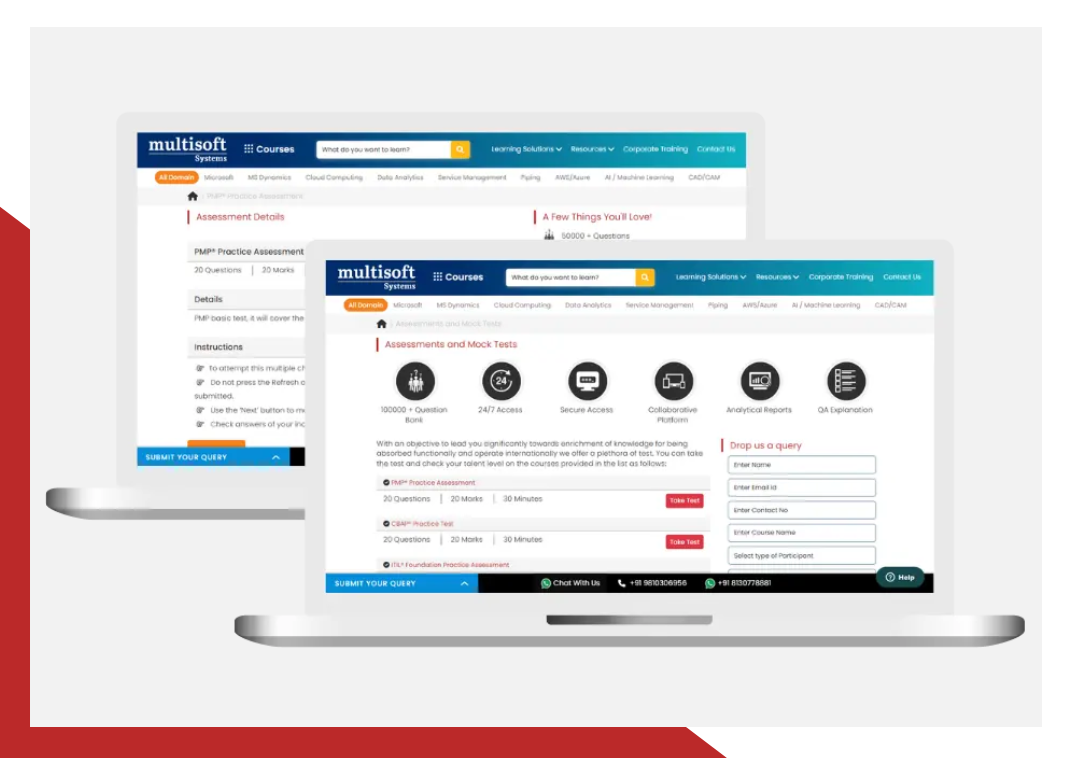
Check performance progress and identify areas for development
Essential Tools and Resources to Enhance Your Skills and Boost Professional Growth
What Attendees are Saying
Our clients love working with us! They appreciate our expertise, excellent communication, and exceptional results. Trustworthy partners for business success.
Share Feedback
Upgrade Your Work Force with Multisoft : Upgrade your team's skills with cutting-edge technology training
 Download Brochure