Schneider Electric DCS Training Online Certification Course
Explore Schneider Electric DCS Training by Multisoft Systems to gain practical exposure to distributed control operations, controller and I/O engineering, process visualization, control logic, alarms, and system communication. Learn through guided exercises and industry-oriented scenarios covering essential DCS engineering and operational activities.
 1K+ Reviews
Instructor-Led Training Parameters
Course Highlights
- Instructor-led Online Training
- Project Based Learning
- Certified & Experienced Trainers
- Course Completion Certificate
- Customized Learning Schedule
- Doubt-Clearing Sessions
Schneider Electric DCS Training Online Certification Course Course Overview
Schneider Electric DCS Training by Multisoft Systems provides comprehensive knowledge of distributed control system concepts and their application within Schneider Electric process automation environments. The course introduces participants to DCS architecture, hardware components, engineering environments, controllers, I/O systems, control configuration, visualization, alarms, communication networks, system administration, and troubleshooting.
Participants learn how control applications are structured and configured for continuous and sequential industrial processes. The training explains the relationship between field instrumentation, I/O subsystems, controllers, operator stations, engineering stations, servers, and plant networks while emphasizing reliable process monitoring and control.
Practical exercises and industrial scenarios help participants understand control loops, logic implementation, interlocks, operator graphics, alarm handling, system diagnostics, backup procedures, and maintenance activities. The course is suitable for professionals working with process automation systems across industries such as oil and gas, power, chemicals, water and wastewater, pharmaceuticals, food processing, and manufacturing.
Instructor-led Training Live Online Classes
Suitable batches for you
| Oct, 2026 | Weekdays | Mon-Fri | Enquire Now |
| Weekend | Sat-Sun | Enquire Now | |
| Nov, 2026 | Weekdays | Mon-Fri | Enquire Now |
| Weekend | Sat-Sun | Enquire Now |
Share details to upskills your team
Enquire for Self-Paced Learning
Share your details and our training advisor will connect with you regarding self-paced learning options.
Schneider Electric DCS Training Online Certification Course Course curriculum
Curriculum Designed by Experts
Schneider Electric DCS Training by Multisoft Systems provides comprehensive knowledge of distributed control system concepts and their application within Schneider Electric process automation environments. The course introduces participants to DCS architecture, hardware components, engineering environments, controllers, I/O systems, control configuration, visualization, alarms, communication networks, system administration, and troubleshooting.
Participants learn how control applications are structured and configured for continuous and sequential industrial processes. The training explains the relationship between field instrumentation, I/O subsystems, controllers, operator stations, engineering stations, servers, and plant networks while emphasizing reliable process monitoring and control.
Practical exercises and industrial scenarios help participants understand control loops, logic implementation, interlocks, operator graphics, alarm handling, system diagnostics, backup procedures, and maintenance activities. The course is suitable for professionals working with process automation systems across industries such as oil and gas, power, chemicals, water and wastewater, pharmaceuticals, food processing, and manufacturing.
- Understand DCS architecture and distributed process control concepts
- Identify major DCS hardware and software components
- Understand controller, I/O, workstation, server, and network relationships
- Configure fundamental controller and I/O parameters
- Create and interpret process control strategies
- Understand PID and common regulatory control schemes
- Configure basic sequence, permissive, and interlock logic
- Understand HMI and operator display engineering
- Configure and interpret process alarms and events
- Work with real-time and historical process trends
- Understand industrial communication and third-party integration concepts
- Apply basic system administration and cybersecurity practices
- Perform fundamental DCS diagnostics and troubleshooting
- Understand backup, recovery, and maintenance practices
- Apply DCS engineering concepts to practical process scenarios
Course Prerequisite
- Basic understanding of industrial automation and control systems
- Familiarity with process instrumentation and common field devices
- Fundamental knowledge of electrical or electronics concepts
- Basic understanding of process variables such as pressure, flow, temperature, and level
- Awareness of PLC, SCADA, or DCS concepts is helpful but not mandatory
- Basic computer operating skills
- Prior industrial or plant experience is beneficial but not required
Course Target Audience
- DCS Engineers
- Automation Engineers
- Instrumentation and Control Engineers
- Process Control Engineers
- Electrical and Electronics Engineers
- Control System Engineers
- Commissioning Engineers
- Maintenance Engineers and Technicians
- Plant and Process Engineers
- DCS Operators and Control Room Personnel
- System Integration Professionals
- Engineering graduates seeking practical knowledge of DCS technology
- Professionals transitioning into industrial automation and process control roles
Course Content
- Fundamentals of process automation
- Introduction to Distributed Control Systems
- DCS versus PLC and SCADA systems
- Role of DCS in continuous and batch processes
- Distributed control philosophy
- Basic control system hierarchy
- Field, control, supervisory, and management levels
- Overview of DCS engineering lifecycle
- Typical industrial DCS applications
 DOWNLOAD CURRICULUM
- Introduction to Schneider Electric process automation environment
- Understanding distributed system architecture
- Engineering and operator workstations
- Application and system servers
- Process controllers
- I/O subsystems
- Industrial Ethernet infrastructure
- Control and supervisory networks
- Client-server architecture
- Data flow across DCS components
- Redundancy concepts
- Availability and reliability considerations
- Typical plant-level architecture
DOWNLOAD CURRICULUM
- Controller hardware overview
- Processor and communication modules
- Power supply modules
- Local and remote I/O
- Analog input and output modules
- Digital input and output modules
- Communication interface modules
- Cabinets and system panels
- Terminal assemblies
- Field wiring concepts
- Hardware addressing
- Module status indication
- Hardware redundancy
- Hardware selection considerations
DOWNLOAD CURRICULUM
- Understanding the engineering workstation
- Engineering project structure
- Creating and organizing a control project
- Plant hierarchy configuration
- Area and unit organization
- Equipment hierarchy
- Hardware configuration
- Controller assignment
- I/O assignment
- Naming and tagging conventions
- Engineering database concepts
- Configuration validation
- Download and deployment concepts
- Online and offline engineering considerations
- Project documentation practices
DOWNLOAD CURRICULUM
- Controller architecture and functionality
- Creating controller configurations
- Controller resource allocation
- Controller communication settings
- Execution and scan concepts
- Control application assignment
- Task organization
- Controller initialization
- Loading control applications
- Online controller monitoring
- Controller operating states
- Controller redundancy concepts
- Switchover considerations
- Controller health diagnostics
DOWNLOAD CURRICULUM
- Understanding process I/O
- Analog input configuration
- Analog output configuration
- Digital input configuration
- Digital output configuration
- Channel configuration
- Signal types and ranges
- Engineering unit configuration
- Scaling process signals
- Signal conditioning concepts
- Status and quality information
- I/O addressing and mapping
- Remote I/O configuration concepts
- Field instrument connectivity
- Smart field device integration concepts
- I/O diagnostics
- Handling channel and module faults
DOWNLOAD CURRICULUM
- Introduction to control application engineering
- Control function organization
- Function blocks and control objects
- Creating basic control strategies
- Analog signal processing
- Digital logic processing
- Mathematical functions
- Comparison functions
- Selector functions
- Timer and counter functions
- Signal routing
- Control mode concepts
- Manual and automatic operation
- Control strategy execution
- Parameter configuration
- Monitoring control applications online
- Control strategy testing
DOWNLOAD CURRICULUM
- Fundamentals of feedback control
- Process variable, setpoint, and manipulated variable
- PID control principles
- PID controller configuration
- Proportional, integral, and derivative actions
- Controller operating modes
- Output limits
- Setpoint limits
- Direct and reverse control action
- Cascade control concepts
- Ratio control
- Feedforward control concepts
- Split-range control
- Override and selector control
- Loop monitoring
- Basic PID tuning considerations
- Troubleshooting control loop performance
DOWNLOAD CURRICULUM
- Introduction to sequential process control
- Boolean logic implementation
- AND, OR, NOT, and combination logic
- Permissive logic
- Equipment interlocks
- Start and stop logic
- Motor control concepts
- Valve control logic
- Trip conditions
- Reset logic
- Timer-based sequences
- Step and state concepts
- Equipment operating modes
- Failure handling
- Sequence monitoring
- Testing interlock conditions
- Process safety considerations in control logic
DOWNLOAD CURRICULUM
- Operator interface fundamentals
- HMI architecture
- Operator workstation concepts
- Creating process displays
- Display navigation
- Process symbols and graphical objects
- Dynamic object behavior
- Tag linking
- Process value visualization
- Equipment status indication
- Operator commands
- Faceplates
- Control loop displays
- Motor and valve displays
- Status and diagnostic displays
- Display hierarchy
- Operator usability considerations
- Testing operator graphics
DOWNLOAD CURRICULUM
- Alarm management fundamentals
- Process alarms versus system alarms
- Alarm configuration
- High and low alarms
- High-high and low-low alarms
- Deviation alarms
- Digital alarms
- Alarm priorities
- Alarm acknowledgement
- Alarm states
- Alarm summaries
- Event logging
- Operator events
- Alarm filtering
- Alarm shelving and suppression concepts
- Alarm rationalization principles
- Alarm flood considerations
- Troubleshooting alarm configuration
DOWNLOAD CURRICULUM
- Process data collection concepts
- Historical data architecture
- Selecting process variables for history
- Data logging
- Sampling concepts
- Historical trends
- Real-time trends
- Trend configuration
- Multiple-variable trend analysis
- Event and alarm history
- Process performance analysis
- Historical data retrieval
- Data retention considerations
- Using trends for troubleshooting
- Reporting concepts
DOWNLOAD CURRICULUM
- DCS communication fundamentals
- Industrial Ethernet concepts
- Network topology
- Controller-to-controller communication
- Controller-to-server communication
- Operator station communication
- Communication redundancy
- Modbus communication concepts
- Modbus TCP/IP integration
- OPC communication concepts
- Third-party system integration
- PLC and package unit integration
- Field device communication concepts
- Gateway integration
- Communication status monitoring
- Network troubleshooting fundamentals
DOWNLOAD CURRICULUM
- DCS administration fundamentals
- User account management
- Roles and access privileges
- Operator and engineering permissions
- Authentication concepts
- Workstation administration
- Server administration considerations
- System configuration management
- Network access considerations
- Industrial cybersecurity fundamentals
- Segmentation and defense-in-depth concepts
- Secure engineering practices
- Change management
- Audit trail concepts
- System access monitoring
- Security considerations for DCS environments
DOWNLOAD CURRICULUM
- DCS diagnostic philosophy
- System health monitoring
- Controller diagnostics
- I/O diagnostics
- Communication diagnostics
- Workstation and server diagnostics
- Identifying hardware faults
- Identifying configuration errors
- Troubleshooting communication failures
- Troubleshooting I/O problems
- Diagnosing control application issues
- Alarm-based troubleshooting
- System log interpretation
- Configuration backup
- Project backup
- Restore concepts
- Preventive maintenance practices
- Configuration change control
- Maintenance documentation
- System recovery considerations
DOWNLOAD CURRICULUM
- Understanding a sample process automation requirement
- Preparing plant hierarchy
- Defining process tags
- Configuring controller resources
- Configuring analog and digital I/O
- Creating process control loops
- Implementing PID control
- Configuring motor and valve logic
- Creating permissives and interlocks
- Designing operator graphics
- Configuring alarms
- Creating process trends
- Testing control applications
- Simulating process conditions
- Diagnosing configuration faults
- Reviewing system health
- Backup and documentation
- Integrated project review
DOWNLOAD CURRICULUM
Request for Enquiry
Explore Course Resources
Strengthen your learning with useful resources designed to help you prepare, practice, and evaluate your understanding.
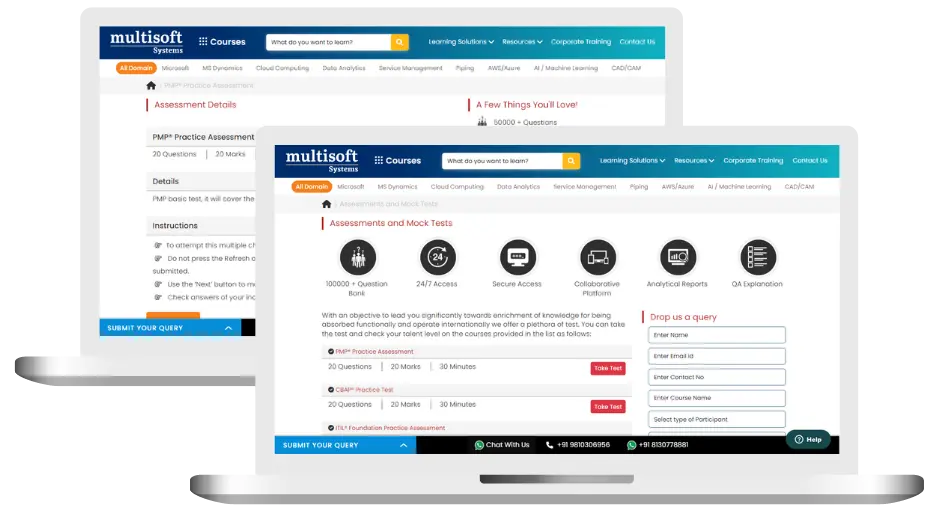
Schneider Electric DCS Training (MCQ) Assessment
This assessment tests understanding of course content through MCQ and short answers, analytical thinking, problem-solving abilities, and effective communication of ideas. Some Multisoft Assessment Features :
- User-friendly interface for easy navigation
- Secure login and authentication measures to protect data
- Automated scoring and grading to save time
- Time limits and countdown timers to manage duration.
Schneider Electric DCS Corporate Training
Employee training and development programs are essential to the success of businesses worldwide. With our best-in-class corporate trainings you can enhance employee productivity and increase efficiency of your organization. Created by global subject matter experts, we offer highest quality content that are tailored to match your company’s learning goals and budget.
Global Clients



Customized Training
Be it schedule, duration or course material, you can entirely customize the trainings depending on the learning requirements
Expert
Mentors
Be it schedule, duration or course material, you can entirely customize the trainings depending on the learning requirements
360º Learning Solution
Be it schedule, duration or course material, you can entirely customize the trainings depending on the learning requirements
Learning Assessment
Be it schedule, duration or course material, you can entirely customize the trainings depending on the learning requirements
Why Schneider Electric DCS Training Online Certification Course for Your Professional Growth
Strengthen your professional capabilities with practical learning, industry-relevant knowledge, and skills applicable to real-world business and technology environments.
Industry-Relevant Skills
Gain knowledge aligned with current industry practices, technologies, processes, and professional requirements.
Practical Learning
Understand concepts through practical scenarios, instructor-led discussions, exercises, and use cases.
Enhanced Professional Capability
Strengthen your ability to work confidently with relevant tools, workflows, platforms, and business processes.
Broader Career Opportunities
Add valuable capabilities to your profile and explore opportunities across relevant roles, projects, and industries.
Adapt to Changing Technologies
Stay familiar with evolving technologies, methodologies, and practices shaping modern enterprise environments.
Professional Recognition
Demonstrate your training achievement with a course completion certificate from Multisoft Systems.

 Zoom-in
Certification Training Achievements: Recognizing Professional Expertise
Multisoft Systems is the “one-top learning platform” for everyone. Get trained with certified industry experts and receive a globally-recognized training certificate. Some Multisoft Training Certificate Features :
- Globally recognized certificate
- Course ID & Course Name
- Certificate with Date of Issuance
- Name and Digital Signature of the Awardee
Trending Courses
Why Learners Choose Multisoft Systems
Compare key training features and see how Multisoft Systems focuses on structured learning, practical understanding, and learner support.
Training Features That Matter
Evaluate the learning experience across important areas before selecting a training program.
Instructor-Led Learning
Structured sessions guided by experienced trainers.
Practical Learning
Hands-on exposure that supports concept understanding.
Flexible Learning Options
Learning formats designed around different schedules.
Learner Support
Assistance throughout the training journey.
Learning Resources
Resources that support revision and continued learning.
Training Certificate
Recognition after successful course completion.
Choose Training That Goes Beyond Theory
Multisoft Systems combines guided learning, practical exposure, flexible delivery, learner support, and structured resources to create a more complete training experience.

SAP SuccessFactors Recruiting: Features, Processes, and Career Opportunities
Recruiting the right talent is essential for business growth, but... Read Article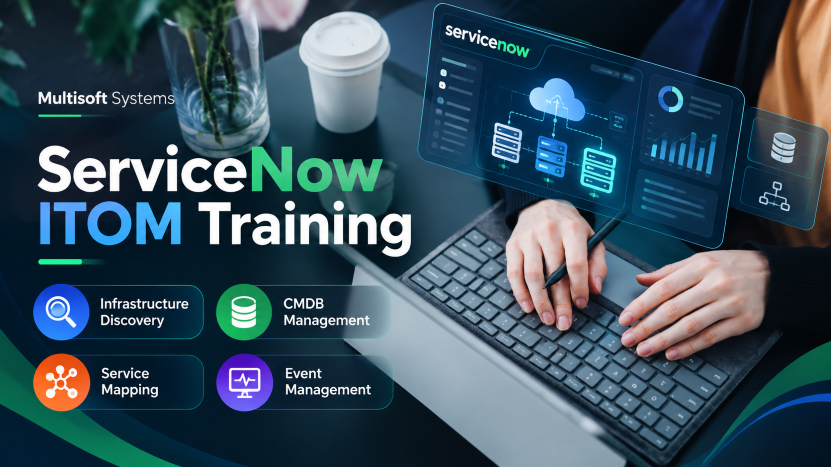
ServiceNow ITOM Training: Skills, Benefits, and Career Opportunities
Modern businesses rely on IT infrastructure to support applications, digital... Read Article
SAP Hybris Training Functional & Developer: Skills, Modules, and Career Opportunities
SAP Hybris is associated with digital commerce solutions that help... Read Article
SAP Hybris Cloud for Customer: Project Implementation, Skills, and Career Guide
Implementing a customer relationship management platform involves much more than... Read ArticleSchneider Electric DCS Training Online Certification Course Trainer Profile
11+ Years Experienced
Our Schneider Electric DCS Training Corporate & Certification Program trainers bring 13+ years of proven industry expertise, delivering practical insights aligned with real project environments.
Trained 3299+ Professionals
Our expert trainers have successfully trained 3350+ professionals through structured, real-time training programs designed for industry readiness and career growth.
Certified Experts & Real-Time Project Learning
Build strong practical skills through live project-based training sessions led by certified industry experts with real-world experience.
Hands-on Learning Approach
Gain practical exposure through real-time scenarios, industry case studies, and hands-on assignments that simulate actual project challenges.
Certification Training Guidance
Receive expert support to prepare effectively, practice strategically, and confidently achieve globally recognized certification success.
Customized Training Delivery
Flexible training approach tailored to individual learning goals, skill levels, and evolving industry requirements for maximum effectiveness.
Schneider Electric DCS Training Online Certification Course FAQ's
Schneider Electric DCS Training focuses on distributed process control concepts and engineering practices associated with Schneider Electric automation environments. It covers system architecture, controllers, I/O, control strategies, HMI, alarms, communications, diagnostics, and maintenance.
What Attendees are Saying
Our clients love working with us! They appreciate our expertise, excellent communication, and exceptional results. Trustworthy partners for business success.
Share Feedback