









































































































Blog

Unlocking Knowledge, Empowering Minds: Your Gateway to a World of Information and Learning Resources.

blog-image

Mastering Operational Excellence: A Deep Dive into Celonis Training


September 10, 2024

Overview of Celonis and Its Relevance in the Current Business Landscape


Celonis is a leading provider of process mining technology, a critical tool that helps organizations analyze and optimize their business processes. Founded in 2011 in Munich, Germany, Celonis has rapidly grown into a global leader, with its innovative software platform revolutionizing how companies manage their operations. The core of Celonis' offering is its ability to visually reconstruct and analyze the actual performance of business processes by extracting data from digital footprints left by various IT systems.


In today's business environment, efficiency and agility are more crucial than ever. Organizations face increasing pressure to improve performance, reduce costs, and enhance customer satisfaction, all while navigating a complex landscape of regulations and competitive challenges. Celonis training meets these needs by providing insights that are not easily accessible through traditional analytics and business intelligence methods. It enables companies to identify bottlenecks, discover inefficiencies, and understand the root causes of performance issues, thereby supporting informed decision-making and strategic planning.


Importance of Process Mining in Achieving Operational Excellence


Process mining stands at the intersection of data science and process management, offering a powerful set of tools that can decode the vast amounts of data generated by organizational processes. By using algorithms to map out the actual workflows happening within a system, process mining provides a clear, unbiased view of how processes are performed versus how they are intended to be performed.


The strategic advantage of process mining, and by extension Celonis, lies in its ability to not just provide a snapshot of the current state but to continuously monitor and optimize processes. This dynamic approach is crucial for operational excellence, which demands ongoing improvements and adaptability. Key benefits include:


  • Enhanced Transparency: Process mining illuminates every part of a process, revealing hidden inefficiencies that even seasoned professionals might overlook. This transparency helps in understanding the full scope of how operations are carried out, enabling targeted improvements.


  • Cost Reduction: By identifying and eliminating bottlenecks, redundancies, and deviations, companies can reduce wasted resources and time, thereby lowering operational costs.


  • Performance Improvement: Process mining helps in setting benchmarks and follows up with actual performance data to ensure that process improvements are realized and maintained over time.


  • Compliance and Risk Management: With regulations tightening across many industries, process mining can help ensure compliance by providing proof of adherence to prescribed workflows and quickly pinpointing any deviations.


  • Customer Satisfaction: Faster and more efficient processes lead to quicker turnaround times and higher quality of service, both of which are directly linked to customer satisfaction.


Celonis and its process mining technology are indispensable in the modern business landscape for any organization committed to operational excellence. By enabling a deeper understanding of processes and fostering a culture of continuous improvement, Multisoft Systems’ Celonis online training helps businesses not only to survive but to thrive in a rapidly evolving market.


Definition and Principles of Process Mining


Process mining is an analytical discipline aimed at discovering, monitoring, and improving real processes by extracting knowledge from event logs readily available in today's information systems. It provides a bridge between data mining and business process management, and is used to analyze complex business processes as they are executed within an organization. The principles of process mining are rooted in:


  • Process Discovery: Constructing an accurate model of the process from available event logs.


  • Conformance Checking: Comparing the modelled process to a predefined ideal process to identify discrepancies and non-conformance.


  • Enhancement: Modifying existing process models to improve efficiency based on data from actual processes.


These principles guide organizations in understanding their operations at a granular level, thereby facilitating genuine and impactful process enhancements.


Evolution of Celonis from a Startup to a Market Leader


Celonis began its journey in 2011 as a small startup founded by three students in Munich, Germany. They saw a significant opportunity in helping companies optimize their operations through the power of process mining, which was relatively underutilized at the time. The founders started by addressing specific customer pain points, primarily focusing on optimizing procurement, supply chain, and IT service processes.


The turning point for Celonis came when it secured major clients like Siemens, which helped to establish its reputation in the market. Since then, Celonis has achieved rapid growth, expanding its client base globally and securing funding from major investors. Today, Celonis is considered a leader in the process mining industry, with a robust platform that serves clients across various sectors including manufacturing, healthcare, and finance.


Key Features and Capabilities of the Celonis Software


Celonis offers a comprehensive suite of features that make it a powerful tool for businesses looking to enhance their operational processes:


  • Data Integration: Celonis has strong capabilities in integrating data from multiple IT systems, providing a holistic view of process data in real time.


  • Process Visualization: The software creates intuitive visual representations of processes, allowing users to quickly identify patterns and deviations from the norm.


  • Action Engine: This feature triggers actions directly from insights, enabling automated responses to process inefficiencies, such as alerting managers to potential bottlenecks or compliance issues.


  • Machine Learning: Celonis employs advanced analytics and machine learning algorithms to predict future process behaviors, offering recommendations for process optimization.


  • Customization and Flexibility: The platform can be customized to suit specific industry needs and is scalable across departments and global locations.


  • Continuous Monitoring: Unlike static process mapping tools, Celonis continuously monitors processes and updates data in real-time, providing ongoing insights and improvement opportunities.


These capabilities position Celonis as a versatile tool that can address a wide range of process optimization needs, making it a valuable asset for any organization focused on achieving operational excellence. Through its continuous innovation and commitment to providing actionable insights, Celonis certification remains at the forefront of the process mining sector, driving the future of business process management.


Core Components of Celonis


Celonis is built on a foundation of robust components, each designed to facilitate comprehensive process analysis and improvement. The core components of Celonis include Data Integration, Process Discovery, Process Enhancement, and the Action Engine. Here’s how each component plays a critical role in transforming business processes:


1. Data Integration: Connecting Disparate Data Sources


  • Purpose: The first step in any process mining activity is to gather and unify data from various sources. Celonis excels in integrating data from disparate systems, whether they are ERP (Enterprise Resource Planning), CRM (Customer Relationship Management), SCM (Supply Chain Management), or bespoke internal systems.


  • Functionality: Celonis uses advanced connectors and APIs to extract data from these systems, ensuring that the data integrity is maintained and the process history is complete. This capability allows Celonis to provide a comprehensive view of business processes, bridging the gaps between different data silos.


  • Impact: Effective data integration provides a single source of truth for organizations, enabling accurate analysis and ensuring that decisions are based on reliable and up-to-date information.


2. Process Discovery: Visualizing Actual Processes


  • Purpose: This component focuses on identifying and mapping out the actual processes as they are executed within the organization. Unlike theoretical models, process discovery reflects real-world complexities and variations.


  • Functionality: By utilizing sophisticated algorithms, Celonis automatically constructs a visual representation of processes. These visual maps are interactive, allowing users to delve into specific aspects of the process and view detailed information about each step.


  • Impact: Process discovery helps organizations understand their current operational baseline, identify compliance deviations, and pinpoint unexpected bottlenecks or inefficiencies that may not be visible through conventional analysis.


3. Process Enhancement: Tools for Improving Process Efficiency


  • Purpose: Once the processes are mapped and issues are identified, Celonis provides tools to suggest and implement improvements directly within the workflow.


  • Functionality: This includes simulation tools to forecast the outcomes of potential changes, recommendation systems to suggest optimal paths, and performance monitoring dashboards to track the impact of implemented changes.


  • Impact: These tools empower users to not only see what needs to be improved but to also take decisive action, thereby improving process efficiency, reducing cycle times, and enhancing overall performance.


4. Action Engine: Automating Workflows and Tasks


  • Purpose: The Action Engine is a proactive component of Celonis that helps operationalize insights by triggering actions based on process analysis findings.


  • Functionality: It can automatically send alerts, trigger workflows, and recommend actions to the right team members at the right time based on predefined rules and machine learning models.


  • Impact: This automation of tasks ensures that interventions are timely and relevant, significantly improving response times and operational agility. It reduces manual interventions and enables organizations to operate more dynamically.


Together, these core components of Celonis create a powerful platform for organizations seeking to achieve greater operational efficiency and agility by leveraging data-driven insights and automation.


Conclusion


Celonis online training offers a transformative approach to business process management through its powerful suite of tools in process mining. By enabling comprehensive data integration, intuitive process discovery, targeted process enhancement, and proactive automation via the Action Engine, Celonis empowers organizations to not only visualize but also optimize their operations in real-time. As businesses increasingly look towards digital solutions to streamline operations, Celonis stands out as an essential tool in driving operational excellence and fostering a culture of continuous improvement and innovation. Enroll in Multisoft Systems now!

Read More

blog-image

The Complete Guide to Implementing ServiceNow IAM in Your Organization


September 6, 2024

Overview of IT Asset Management

IT Asset Management (IAM) is a set of business practices that incorporates IT assets across the business units within the organization. It combines financial, inventory, contractual, and risk management responsibilities to manage the overall life cycle of these assets, including tactical and strategic decision making. Assets include all elements of software and hardware that are found in the business environment. The core goal of IAM is to maximize the value of IT assets while managing costs, mitigating risks, and ensuring compliance with laws and regulations.

IAM is not just about keeping track of assets or ensuring they are updated. It's about integrating these assets seamlessly into the company’s environment and ensuring they contribute to strategic goals. This involves determining the lifecycle of each asset, from planning and procurement through to disposal, and making decisions based on comprehensive data analysis to optimize the effectiveness and reduce the total cost of ownership.

Importance of IAM in Modern Business Environments

In today’s digital age, IT assets are crucial for the operational integrity and strategic development of a company. Effective IT asset management offers several benefits:

  • Cost Management: Helps organizations avoid unnecessary purchases by keeping track of assets and ensuring they are utilized efficiently. It also aids in managing software licenses and avoiding penalties for non-compliance with licensing agreements.
  • Risk Management: Proper tracking and management of IT assets reduce the risks related to data security breaches and regulatory non-compliance. It also ensures that the technological infrastructure can support the company in times of disaster recovery.
  • Strategic Planning: By maintaining clear visibility and control over IT assets, organizations can make better strategic decisions, plan for future investments more effectively, and adapt to technological changes more rapidly.
  • Operational Efficiency: Streamlines operations by ensuring the right assets are in the right place at the right time, thereby reducing the incidence of downtime and improving service delivery.

Brief Introduction to ServiceNow and Its Capabilities

ServiceNow is a leading cloud-based platform that provides scalable solutions for enterprise operations management. Initially focused on IT service management, ServiceNow has expanded its offerings to include a full suite of services that encompass asset and operations management across various departments such as human resources, customer service, and security operations.

ServiceNow’s IT Asset Management capabilities are particularly robust, offering features that support lifecycle management across IT operations. This platform integrates with other ServiceNow modules seamlessly, providing a unified view of resources and processes. Key features include:

  • Configuration Management Database (CMDB): Helps organizations maintain a database of all IT assets, known as configuration items (CIs), to manage the assets' states and interrelationships throughout their lifecycle.
  • Software Asset Management: Manages software licensing and optimization, ensuring compliance and reducing software spend.
  • Hardware Asset Management: Tracks physical assets and manages the physical lifecycle from procurement to disposal.
  • Cloud Insights: Provides visibility into cloud resources to manage cloud spending and optimize allocations.

By leveraging ServiceNow’s comprehensive platform, organizations can enhance their IT asset management processes, leading to increased efficiency, reduced costs, and better alignment of IT with business needs. Whether dealing with software, hardware, or cloud services, ServiceNow delivers the tools necessary for high-impact IT asset management.

What is ServiceNow IT Asset Management (IAM)?

ServiceNow IT Asset Management (IAM) is a comprehensive solution designed to manage and optimize the lifecycle of IT assets within an organization from initial purchase to retirement. ServiceNow IAM training is part of the broader ServiceNow platform, a cloud-based set of services geared towards automating and managing IT and business processes. The IAM module specifically helps organizations oversee their IT assets, ensuring they are optimally utilized, compliant, and contribute to achieving business goals.

Key Features and Functionalities 

  • Configuration Management Database (CMDB): At the heart of ServiceNow IAM is the CMDB, which stores information regarding all the hardware, software, and service assets. It maintains an updated inventory of all assets and their relationships, which helps in managing the infrastructure more effectively and reduces service outages.
  • Software Asset Management (SAM): This feature manages the software lifecycle from procurement to retirement. It ensures compliance with licensing agreements, optimizes software spend by avoiding over-purchasing or underutilization, and helps manage renewals effectively.
  • Hardware Asset Management (HAM): Similar to SAM but focused on physical assets, HAM tracks and manages the physical components of an IT estate, from procurement through to disposal. It helps organizations optimize usage, extend the life of their hardware, and ensure proper end-of-life handling.
  • Cloud and Subscription Management: This feature helps manage cloud infrastructure and SaaS applications, providing insights into usage and expenditures. It ensures cloud environments are right-sized for actual needs, helping to avoid over or under provisioning.
  • License Workbench: Helps manage and reconcile software licenses against installations. This tool aids in ensuring compliance and preparing for audits by providing a clear view of software deployment versus entitlements.
  • Asset Dashboard and Reporting: Advanced analytics tools and dashboards provide real-time insights into the asset lifecycle, enabling proactive management and decision-making. Customizable reports allow for detailed tracking of asset performance, usage, and costs.

Benefits of Implementing ServiceNow IAM

  • Cost Reduction and Optimization: By providing detailed insights into asset utilization and maintenance, ServiceNow IAM helps reduce costs associated with over-purchasing, maintenance, and inefficient asset deployment.
  • Enhanced Compliance and Risk Management: The platform supports compliance with licensing agreements and regulatory requirements, reducing the risk of legal penalties and security breaches associated with unauthorized software use or outdated hardware.
  • Improved Operational Efficiency: With streamlined processes for asset tracking, allocation, and management, organizations can boost operational efficiency. This leads to reduced downtime, faster response to issues, and better service delivery to end-users.
  • Strategic Asset Management: ServiceNow IAM enables a strategic approach to asset management by aligning IT assets with business objectives. Decision-makers can access comprehensive data regarding asset performance, lifecycle stages, and total cost of ownership, facilitating better planning and investment.
  • Scalability and Flexibility: As a cloud-based platform, ServiceNow can scale with the growth of an organization. It supports a wide range of asset types and can adapt to changing business needs without the need for significant additional investment in infrastructure.
  • Integrated IT Service Management: Since ServiceNow IAM is part of the broader ServiceNow ecosystem, it integrates seamlessly with other IT service management processes like incident management, problem management, and change management. This integration provides a holistic approach to IT services and asset management.

Implementing ServiceNow IAM certification provides organizations with powerful tools to manage their IT assets more effectively, ensuring that these assets are always aligned with business needs and are managed cost-effectively, securely, and compliantly.

Core Components of ServiceNow IT Asset Management (IAM)

ServiceNow IT Asset Management (IAM) is built on several core components that collectively support the comprehensive management of IT assets throughout their lifecycle. These components ensure that organizations can maintain control over their IT environments, optimize costs, and align IT operations with business strategies. Here are the details of these core components:

1. Hardware Asset Management (HAM)

Hardware Asset Management in ServiceNow involves the tracking, management, and optimization of physical assets within an organization. This component covers all hardware from the moment of acquisition until retirement, ensuring effective allocation, maintenance, and disposal of these assets.

Benefits:

  • Reduces expenses through better management of hardware resources.
  • Extends the life of hardware assets through proactive maintenance and upgrades.
  • Improves procurement processes by providing data-driven insights into hardware needs.

2. Software Asset Management (SAM)

Software Asset Management is a critical component designed to manage and optimize the use of software within an organization. It ensures compliance with licensing agreements and helps to avoid both underutilization and overspending on software assets.

Benefits:

  • Reduces software costs by avoiding unnecessary purchases and penalties.
  • Enhances compliance and reduces risk associated with software licensing.
  • Streamlines software procurement and deployment processes.

3. Configuration Management Database (CMDB)

The Configuration Management Database is a virtual database used to store information about hardware and software assets (referred to as configuration items or CIs) and their relationships. The CMDB supports various IT service management processes by providing a structured way of managing the configuration of all IT assets.

Benefits:

  • Improves IT service support by providing detailed context about IT assets.
  • Supports risk management by detailing asset dependencies and associated risks.
  • Enhances decision-making with accurate, comprehensive data on IT configurations.

4. Service Catalog

The Service Catalog is an organized collection of business and technical services that can be accessed and requested by users within an organization. It is a crucial component of ServiceNow IAM, acting as a one-stop-shop for requesting new IT assets and services.

Benefits:

  • Enhances user satisfaction by simplifying how employees request and receive IT services.
  • Reduces administrative overhead for IT departments by automating service request processes.
  • Improves the tracking and allocation of IT assets and resources.

Together, these core components form a robust framework for managing IT assets in ServiceNow, supporting organizations in maintaining control over their IT environment, ensuring compliance, optimizing costs, and delivering efficient IT services aligned with business objectives.

Conclusion

Implementing ServiceNow IT Asset Management (IAM) online training offered by Multisoft Systems transforms the way organizations handle their IT assets, streamlining operations and enhancing efficiency. However, the success of this implementation heavily relies on comprehensive training. Effective training empowers teams, ensures compliance, and maximizes return on investment, ultimately leading to a more robust and responsive IT infrastructure. Organizations must prioritize this training to fully leverage ServiceNow's capabilities and drive significant business value. Enroll now!

Read More
blog-image

IBM Maximo: Revolutionizing Asset Management for Modern Enterprises


August 14, 2024

What is IBM Maximo?

IBM Maximo is an integrated suite of applications designed to manage an organization’s physical assets. These assets can range from machinery and equipment to facilities and infrastructure. Maximo provides a unified platform that combines asset management, maintenance management, and inventory management, facilitating real-time visibility and control over assets throughout their lifecycle. It is a robust solution that caters to diverse industries, including manufacturing, energy, utilities, transportation, and healthcare.

In today’s fast-paced and technologically advanced world, efficient asset management is crucial for organizations to maintain their competitive edge. IBM Maximo, a leading Enterprise Asset Management (EAM) solution, stands at the forefront of this transformation. By offering comprehensive capabilities for managing physical assets on a single platform, Maximo empowers businesses to optimize operations, enhance productivity, and ensure compliance. This blog by Multisoft Systems delves into the intricacies of IBM Maximo training, exploring its features, benefits, and applications across various industries.

Key Features of IBM Maximo

1. Asset Lifecycle Management
Maximo offers end-to-end asset lifecycle management, enabling organizations to track and manage assets from procurement to retirement. This feature helps in planning, acquisition, deployment, maintenance, and disposal of assets, ensuring optimal utilization and cost efficiency.

2. Work Management
The work management module allows for the scheduling, assignment, and tracking of maintenance tasks. It supports preventive, predictive, and corrective maintenance strategies, ensuring that assets are maintained in peak condition. The module also facilitates resource allocation, labor tracking, and service level agreements (SLAs).

3. Inventory Management
Maximo’s inventory management capabilities ensure that organizations have the right parts and materials available when needed. It includes features for tracking inventory levels, managing stock movements, and optimizing reorder points. This reduces downtime and ensures that maintenance activities are not delayed due to lack of parts.

4. Procurement Management
The procurement module streamlines the purchasing process by integrating with asset and inventory management. It supports requisition creation, vendor management, purchase order processing, and invoice matching, ensuring timely and cost-effective procurement of goods and services.

5. Analytics and Reporting
Maximo’s advanced analytics and reporting tools provide valuable insights into asset performance, maintenance activities, and operational efficiency. These insights enable data-driven decision-making, helping organizations identify trends, predict failures, and optimize asset management strategies.

6. Mobile Capabilities
The mobile application of Maximo allows field technicians and maintenance personnel to access asset information, record work activities, and update status in real-time using mobile devices. This enhances productivity and ensures that accurate and up-to-date information is available across the organization.

7. Integration and Scalability
Maximo integrates seamlessly with other enterprise systems such as ERP, CRM, and GIS, providing a holistic view of operations. Its scalable architecture ensures that it can grow with the organization’s needs, accommodating increasing asset portfolios and expanding user bases.

Benefits of Implementing IBM Maximo

Implementing IBM Maximo certification offers a multitude of benefits for organizations. From enhanced asset performance and increased operational efficiency to significant cost savings and improved compliance, Maximo provides a comprehensive solution for managing physical assets. Its advanced features and capabilities enable data-driven decision-making, fostering collaboration and ensuring optimal utilization of resources across various industries.

  • Enhanced Asset Performance and Longevity: By implementing preventive and predictive maintenance strategies, Maximo helps organizations maintain their assets in optimal condition. This reduces unplanned downtime, extends asset life, and improves overall performance.
  • Increased Operational Efficiency: Maximo streamlines work processes, optimizes resource utilization, and automates routine tasks. This leads to increased operational efficiency, reduced manual effort, and faster response times to maintenance issues.
  • Cost Savings: Effective asset management with Maximo leads to significant cost savings through reduced maintenance costs, lower inventory carrying costs, and minimized asset downtime. Additionally, optimized procurement processes ensure cost-effective purchasing.
  • Improved Compliance and Risk Management: Maximo helps organizations comply with regulatory requirements and industry standards by maintaining accurate records and providing audit trails. This mitigates risks associated with non-compliance and enhances safety and reliability.
  • Data-Driven Decision Making: The analytics and reporting capabilities of Maximo enable organizations to make informed decisions based on real-time data. This leads to improved strategic planning, better resource allocation, and proactive management of assets.

Applications of IBM Maximo Across Industries

1. Manufacturing
In the manufacturing sector, Maximo helps manage production equipment, facilities, and infrastructure. It ensures that machinery is maintained in optimal condition, reducing downtime and enhancing production efficiency. Maximo also supports compliance with industry regulations and standards.

2. Energy and Utilities
Maximo is widely used in the energy and utilities sector to manage critical infrastructure such as power plants, pipelines, and grids. It helps in maintaining asset reliability, ensuring regulatory compliance, and optimizing maintenance schedules to reduce operational costs.

3. Transportation
For transportation companies, Maximo provides comprehensive asset management for fleets, railways, and infrastructure. It supports preventive maintenance, inventory management, and procurement, ensuring that transportation assets are available and reliable.

4. Healthcare
In the healthcare industry, Maximo manages medical equipment, facilities, and infrastructure. It ensures that medical assets are maintained in peak condition, supporting patient safety and compliance with healthcare regulations.

5. Facilities Management
Maximo is used for managing buildings, campuses, and other facilities. It supports maintenance management, space planning, and energy management, ensuring that facilities are safe, efficient, and cost-effective.

Future Trends in Asset Management with IBM Maximo

  • IoT Integration: The integration of the Internet of Things (IoT) with Maximo is transforming asset management. IoT sensors provide real-time data on asset condition and performance, enabling predictive maintenance and reducing unplanned downtime.
  • Artificial Intelligence and Machine Learning: AI and machine learning are being integrated into Maximo to enhance predictive maintenance capabilities. These technologies analyze historical data and identify patterns, predicting asset failures before they occur and optimizing maintenance schedules.
  • Cloud-Based Solutions: The shift to cloud-based solutions is making Maximo more accessible and scalable. Cloud deployment reduces the need for on-premises infrastructure, lowers costs, and enables remote access to asset management data.
  • Mobile and Augmented Reality (AR) Applications: Mobile and AR applications are enhancing the capabilities of Maximo. Field technicians can access asset information, receive work instructions, and visualize maintenance tasks using mobile devices and AR headsets, improving efficiency and accuracy.
  • Sustainability and Energy Management: Maximo is increasingly being used for sustainability and energy management initiatives. It helps organizations track energy usage, monitor environmental impact, and implement energy-saving measures, supporting sustainability goals.

Conclusion

IBM Maximo is a powerful and versatile asset management solution that offers comprehensive capabilities for managing physical assets across various industries. By enhancing asset performance, increasing operational efficiency, and enabling data-driven decision-making, Maximo helps organizations achieve their business objectives and maintain a competitive edge. As technology continues to evolve, Maximo is poised to leverage advancements in IoT, AI, and cloud computing, further revolutionizing asset management for modern enterprises. Whether you are in manufacturing, energy, transportation, healthcare, or facilities management, IBM Maximo online training by Multisoft Systems provides the tools and insights needed to optimize asset utilization and drive success.

Read More

blog-image

Mastering OrcaFlex: A Comprehensive Guide to OrcaFlex Training


August 8, 2024

What is OrcaFlex?

OrcaFlex is a dynamic analysis software developed by Orcina, designed for the marine and offshore engineering sectors. It is renowned for its ability to model and analyze the behavior of a wide range of marine systems, including pipelines, risers, moorings, and subsea structures. The software's versatility and robustness make it an indispensable tool for engineers dealing with complex marine environments.

In the realm of marine and offshore engineering, where precision and reliability are paramount, OrcaFlex stands out as an industry-leading software for dynamic analysis. Whether you're a seasoned engineer or a newcomer to the field, mastering OrcaFlex can significantly enhance your ability to design, analyze, and optimize marine systems. This comprehensive guide by Multisoft Systems delves into the essentials of OrcaFlex training, providing insights into its applications, benefits, and how you can become proficient in using this powerful tool.

Why is OrcaFlex Training Essential?

  • Complexity of Marine Systems: Marine systems operate in dynamic and often unpredictable environments. Understanding and predicting their behavior requires sophisticated tools like OrcaFlex. Training helps engineers harness the full potential of the software, ensuring accurate and reliable analyses.
  • Industry Standards: OrcaFlex is widely used in the marine and offshore industries. Proficiency in this software is often a prerequisite for many engineering roles, making training essential for career advancement.
  • Efficiency and Safety: Accurate modeling and analysis can lead to more efficient designs and safer operations. Training ensures that engineers can use OrcaFlex effectively to achieve these goals.

Key Components of OrcaFlex Training

1. Introduction to OrcaFlex

Training typically begins with an introduction to the software, covering its interface, features, and basic functions. This foundation is crucial for understanding how to navigate and utilize OrcaFlex effectively.

  • Familiarize yourself with the layout, toolbars, and navigation options.
  • Learn how to create, open, and save projects, as well as how to use the help documentation.

2. Building Models

One of the core aspects of OrcaFlex training is learning how to build models. This involves creating representations of marine systems, including pipelines, risers, and moorings.

  • Understand the different components available in OrcaFlex, such as lines, buoys, and vessels.
  • Learn how to define properties and settings for each component, including material properties, environmental conditions, and boundary conditions.

3. Running Simulations

Once models are built, the next step is running simulations to analyze their behavior under various conditions.

  • Explore different types of simulations, including static, dynamic, and spectral analyses.
  • Learn how to set simulation parameters, such as time steps, duration, and output options.
  • Understand how to run simulations and monitor their progress.

4. Analyzing Results

Interpreting the results of simulations is a critical skill in OrcaFlex training.

  • Learn how to visualize results using graphs, charts, and 3D animations.
  • Understand how to analyze data, including stress, strain, and displacement results.
  • Discover how to generate comprehensive reports that summarize the analysis findings.

5. Advanced Features

For those looking to deepen their expertise, advanced training modules cover more complex features of OrcaFlex.

  • Learn how to perform fatigue analysis to assess the long-term durability of marine structures.
  • Understand the principles of hydrodynamic loading and how to model them in OrcaFlex.
  • Explore the coupling of OrcaFlex with other software for integrated analysis.

Significance

OrcaFlex holds significant importance in the field of marine and offshore engineering due to its advanced capabilities in dynamic analysis. This software is essential for modeling and analyzing the behavior of complex marine systems such as pipelines, risers, moorings, and subsea structures under varying environmental conditions. Its ability to perform detailed simulations ensures that engineers can predict and mitigate potential issues, leading to more efficient and safer designs. The precision and reliability provided by OrcaFlex certification are crucial for meeting industry standards and optimizing the performance of marine projects. Additionally, its comprehensive analysis tools facilitate the assessment of long-term durability and structural integrity, making it an indispensable tool for engineers aiming to excel in the challenging and dynamic marine engineering landscape.

Benefits 

1. Enhanced Analytical Skills

OrcaFlex training equips engineers with the analytical skills needed to tackle complex marine engineering challenges. By understanding the intricacies of dynamic analysis, engineers can develop more efficient and reliable designs.

2. Career Advancement

Proficiency in OrcaFlex is highly valued in the marine and offshore industries. Completing training can open up new career opportunities and pave the way for professional growth.

3. Improved Project Outcomes

Effective use of OrcaFlex leads to better project outcomes, including improved safety, efficiency, and cost-effectiveness. Training ensures that engineers can maximize the software's potential to deliver these benefits.

Skills learned

  • Proficient in dynamic analysis of marine systems
  • Ability to build and model complex marine structures
  • Expertise in setting and adjusting simulation parameters
  • Skills in running static, dynamic, and spectral simulations
  • Knowledge of fatigue analysis and long-term durability assessment
  • Understanding of hydrodynamic loading principles
  • Experience in coupling OrcaFlex with other software
  • Competence in generating detailed analytical reports
  • Improved efficiency in designing safe and cost-effective marine systems
  • Skills in presenting findings using 3D animations and graphs
  • Understanding of industry standards and best practices

Practical Tips for Success

  • Hands-On Practice: The best way to learn OrcaFlex is through hands-on practice. Work on real-world projects and case studies to apply the concepts and techniques learned during training.
  • Seek Feedback: Don't hesitate to seek feedback from instructors and peers. Constructive feedback can help you identify areas for improvement and refine your skills.
  • Stay Updated: Orcina regularly updates OrcaFlex with new features and enhancements. Stay informed about these updates and incorporate them into your practice to keep your skills current.
  • Join Professional Networks: Engage with professional networks and forums related to marine engineering and OrcaFlex. Networking with other professionals can provide valuable insights, support, and opportunities for collaboration.

Conclusion

OrcaFlex is a powerful tool that plays a critical role in the marine and offshore engineering sectors. Mastering this software through comprehensive training can significantly enhance your analytical capabilities, improve project outcomes, and advance your career. By choosing the right training program and committing to continuous learning and practice, you can unlock the full potential of OrcaFlex online training and become a proficient user capable of tackling the most challenging marine engineering problems. Enroll in Multisoft Systems now!

Read More

blog-image

Unlocking Career Opportunities with SP3D Admin Training


August 2, 2024

Introduction

In the ever-evolving world of engineering and design, proficiency in advanced software tools is crucial for career advancement. One such indispensable tool is SmartPlant 3D (SP3D), a comprehensive solution for plant design, engineering, and construction. SP3D Admin Training equips professionals with the skills needed to manage and customize this powerful software, opening doors to enhanced job roles and opportunities. 

This blog provided by Multisoft Systems will delve into the benefits of SP3D Admin Training, the core components of the curriculum, and how it can transform your career.

What is SP3D?

SmartPlant 3D, commonly known as SP3D, is a product of Intergraph Corporation (now part of Hexagon AB). It is widely used in the process, power, and marine industries for designing, constructing, and operating plants. SP3D offers a data-centric and rule-driven solution, ensuring consistency and accuracy in the design process. It enables the creation of detailed 3D models of plant structures, which are essential for efficient project execution and lifecycle management.

Why SP3D Admin Training?

1. Enhanced Career Prospects

As industries increasingly adopt SP3D for their design and engineering needs, the demand for skilled administrators who can manage and optimize this software is on the rise. SP3D Admin Training provides you with the expertise required to configure and maintain the software, making you a valuable asset to any organization. This specialized skill set can lead to higher salaries, better job roles, and increased job security.

2. Mastery of Complex Systems

SP3D Admin Training goes beyond basic user knowledge. It covers in-depth topics such as database management, project setup, customization, and troubleshooting. By mastering these areas, you can ensure the smooth operation of SP3D, minimizing downtime and maximizing productivity. This training transforms you into a key player in the successful execution of complex projects.

3. Keeping Up with Technological Advances

The field of engineering and design is continuously evolving with new technologies and methodologies. SP3D Admin Training keeps you updated with the latest advancements and best practices in plant design and administration. Staying current with these developments ensures that your skills remain relevant and competitive in the job market.

Core Components 

  • Introduction to SP3D: The training begins with an overview of SP3D, its features, and its applications in various industries. Understanding the basics is crucial for grasping the more advanced concepts covered later in the course.
  • Database Management: SP3D relies heavily on databases to store and manage design data. This module covers database setup, configuration, and management. You will learn how to create and maintain databases, ensuring data integrity and accessibility.
  • Project Setup and Configuration: Proper project setup is essential for the successful execution of design projects. This section of the training teaches you how to create and configure projects in SP3D, including defining project parameters, managing permissions, and setting up project-specific rules and standards.
  • Customization and Scripting: SP3D offers extensive customization options to tailor the software to specific project requirements. This module covers the use of scripting and customization tools to enhance the functionality of SP3D. You will learn how to create custom commands, automate tasks, and develop user-defined components.
  • Troubleshooting and Maintenance: Ensuring the smooth operation of SP3D involves identifying and resolving issues promptly. This part of the training focuses on troubleshooting common problems, performing regular maintenance tasks, and implementing best practices to prevent issues from arising.
  • Integration with Other Tools: SP3D often needs to interact with other software tools used in the design and construction process. This module covers the integration of SP3D with other Intergraph tools and third-party applications, ensuring seamless data exchange and collaboration.
  • Advanced Administration Techniques: For those looking to further specialize, advanced modules cover topics such as multi-site project management, advanced customization techniques, and performance optimization. These skills are particularly valuable for large-scale projects and complex organizational setups.

Benefits 

1. Increased Efficiency and Productivity

By acquiring the skills to effectively manage and customize SP3D, you can significantly increase the efficiency and productivity of design projects. Properly configured projects run smoother, with fewer errors and delays, leading to successful project completion.

2. Career Advancement

SP3D Admin Training distinguishes you from your peers, showcasing your expertise in managing a critical design tool. This can lead to promotions, leadership roles, and increased responsibilities within your organization. Employers value professionals who can ensure the optimal performance of their software tools.

3. Versatility in Job Roles

With SP3D Admin Training, you are not limited to a single job role. The skills acquired are applicable in various capacities, such as project management, IT support, and system administration. This versatility enhances your employability and opens up multiple career paths.

4. Networking Opportunities

Enrolling in SP3D Admin Training allows you to connect with other professionals in the field. These connections can lead to collaborative opportunities, knowledge sharing, and career growth. Networking is a valuable asset in any professional journey.

5. Staying Ahead of the Curve

In a competitive job market, staying ahead of technological advancements is crucial. SP3D Admin Training ensures that you are well-versed in the latest features and updates of the software, keeping your skills relevant and in demand.

Career Opportunities post training

Completing SP3D Admin certification opens a myriad of career opportunities in various industries such as oil and gas, power generation, marine, and construction. As SP3D becomes an integral tool in plant design and engineering, the demand for proficient administrators who can manage and optimize its use is soaring. This blog will explore the diverse career paths available to those who have completed SP3D Admin Training and how this specialized skill set can lead to significant career advancement.

1. SP3D Administrator

The most direct career path after completing SP3D Admin Training is becoming an SP3D Administrator. This role involves overseeing the installation, configuration, and maintenance of the SP3D software. Responsibilities include managing the database, ensuring data integrity, customizing the software to meet project-specific requirements, and troubleshooting any issues that arise. SP3D Administrators are crucial in ensuring the smooth operation of design projects, making them highly valuable in any engineering team.

2. Project Manager

With a deep understanding of SP3D, you can transition into a Project Manager role, particularly in projects that heavily rely on this software. Project Managers are responsible for planning, executing, and closing projects, ensuring they are completed on time and within budget. Your expertise in SP3D will allow you to efficiently oversee project setup, data management, and team coordination, leading to successful project outcomes.

3. Design Engineer

SP3D Admin Training also benefits those in or aspiring to be in design engineering roles. Design Engineers use SP3D to create detailed plant models and ensure designs meet project specifications and industry standards. With advanced knowledge of SP3D, you can enhance your design capabilities, making you a more competitive candidate for senior design engineering positions.

4. IT Support Specialist

Organizations using SP3D require dedicated IT support to manage the software’s technical aspects. As an IT Support Specialist with SP3D Admin Training, you will provide technical assistance to users, resolve software-related issues, and ensure optimal performance of the SP3D system. This role is vital for maintaining operational efficiency and minimizing downtime in design projects.

5. Systems Analyst

Systems Analysts play a key role in analyzing and improving IT systems within an organization. With SP3D Admin Training, you can specialize in evaluating the effectiveness of SP3D implementations, recommending improvements, and ensuring that the software meets the organization’s needs. This role involves both technical expertise and strategic planning, offering a dynamic career path.

6. Database Administrator

Since SP3D relies heavily on database management, a career as a Database Administrator (DBA) is a natural fit. DBAs are responsible for maintaining, securing, and optimizing databases. With SP3D Admin Training, you can manage the specific databases used by SP3D, ensuring data consistency, integrity, and availability for all design projects.           

Conclusion

Multisoft Systems’ SP3D Online Admin Training is a valuable investment for professionals in the engineering and design fields. It equips you with the skills to manage and optimize a powerful software tool, enhancing your career prospects and contributing to the success of your projects. As industries continue to adopt advanced technologies, the demand for skilled SP3D administrators will only grow. By undertaking SP3D Admin Training, you position yourself at the forefront of this dynamic field, ready to take on new challenges and opportunities. Whether you are looking to advance in your current role or explore new career paths, SP3D Admin Training is the key to unlocking your potential.

Read More

blog-image

The Role of SmartPlant P&ID in Modern Process Engineering


July 27, 2024

In the realm of process engineering and design, the need for precise, efficient, and integrated tools cannot be overstated. SmartPlant P&ID, a product of Hexagon's Intergraph, stands out as a robust solution tailored to meet these needs. It provides a comprehensive platform for creating, managing, and integrating intelligent piping and instrumentation diagrams (P&IDs) for process plants. This blog offered by Multisoft Systems delves into the fundamentals of SmartPlant P&ID Admin certification, emphasizing its significance in the process industry, the core features of its interface, and the basics of P&ID creation and management.

What is SmartPlant P&ID?

SmartPlant P&ID is a specialized engineering software designed to streamline the creation and management of P&IDs. P&IDs are schematic illustrations of the functional relationship of piping, instrumentation, and system equipment components used in the field of process engineering. These diagrams play a critical role in the design, construction, and operation of process plants, ensuring that all elements are accurately represented and can be managed efficiently.

Importance in the Process Industry

The process industry, encompassing sectors such as oil and gas, petrochemicals, pharmaceuticals, and power generation, relies heavily on accurate and detailed P&IDs. These diagrams are essential for:

  • Design and Engineering: P&IDs provide a blueprint for the design and engineering of process systems, ensuring all components are correctly specified and integrated.
  • Safety and Compliance: They help in identifying potential hazards, ensuring compliance with industry standards and regulations.
  • Maintenance and Operations: P&IDs serve as a reference for maintenance activities, troubleshooting, and operational procedures.
  • Project Management: They facilitate effective project management by providing a clear visual representation of the process systems, aiding in planning, scheduling, and resource allocation.

Key Benefits 

  • Ensures that all P&ID data is consistent and accurate across various project stages and disciplines.
  • Enables seamless collaboration among different teams and stakeholders, improving overall project efficiency.
  • With intelligent features and validation tools, it enhances the quality of design, reducing errors and rework.
  • Automates many aspects of P&ID creation and management, leading to significant time and cost savings.

User Interface Overview

SmartPlant P&ID boasts a user-friendly interface designed to enhance productivity and ease of use. The interface includes:

  • Ribbon Toolbar: A dynamic toolbar that provides quick access to commonly used tools and functions.
  • Drawing Canvas: The main workspace where P&IDs are created and modified.
  • Properties Window: Displays properties of selected elements, allowing for quick editing and customization.
  • Project Explorer: A hierarchical view of the project, showing all P&ID drawings and associated data.
  • Database Connection: Integration with a centralized database ensures all data is up-to-date and accessible to authorized users.

Key Features

  • Elements in the diagrams are data-rich, containing information about specifications, relationships, and operational data.
  • Built-in validation tools ensure compliance with industry standards and project specifications, reducing errors and ensuring quality.
  • The software can be customized to meet specific project needs, including custom symbols, templates, and standards.
  • Seamless integration with other SmartPlant Enterprise solutions and third-party applications, enabling a unified engineering environment.
  • Advanced reporting features allow for the generation of detailed reports on various aspects of the P&ID, aiding in analysis and decision-making.

Basics of P&ID Creation and Management

1. P&ID Creation Process

Creating a P&ID in SmartPlant P&ID involves several steps:

  • Setting Up the Project
  • Creating a New Drawing
  • Adding Components
  • Defining Relationships
  • Annotating and Detailing
  • Validation and Review

2. P&ID Management

  • Data Management
  • Version Control
  • Collaboration
  • Documentation

3. Best Practices for P&ID Management

  • Standardization
  • Regular Reviews
  • Training and Support

User Management in SmartPlant P&ID

Effective user management is a critical aspect of administering SmartPlant P&ID, ensuring that the right people have the right access to the right data at the right time. This section will cover the creation and management of user accounts, the assignment of roles and permissions, and the understanding of security settings and access control.


Creating User Accounts

  1. Accessing User Management: Begin by accessing the User Management module within SmartPlant P&ID. This is typically found within the administration or settings menu.
  2. Adding a New User
  • Navigate to User Creation: Find the option to add a new user, often labeled as "Add User" or "Create New User".
  • Enter User Details: Input the necessary details for the new user, including username, password, full name, email address, and other relevant information.
  • Set User Preferences: Configure user preferences such as language, time zone, and default project settings.
  1. Assigning Initial Role: Upon creation, assign an initial role to the user. This can be a default role such as a viewer, editor, or admin, depending on the user's responsibilities.

Managing User Accounts

  1. Editing User Details
  • Locate the User: Use the search or filter options to find the user whose details need to be edited.
  • Modify Details: Update the user's information as necessary, including contact information, roles, and preferences.
  • Save Changes: Ensure all changes are saved to apply the updates to the user's account.
  • Deactivation: For temporary removal of access, deactivate the user's account. This keeps their data intact for potential reactivation.
  • Deletion: For permanent removal, delete the user's account. This should be done with caution, as it may result in the loss of associated data.
  1. Deactivating or Deleting Users
  2. Monitoring User Activity: Regularly review user activity logs to ensure appropriate use of the system and to detect any unauthorized access or actions.

Assigning Roles and Permissions

1. Understanding Roles

Roles in SmartPlant P&ID are predefined sets of permissions that determine what actions a user can perform within the system. Common roles include:

  • Viewer: Can view P&ID diagrams and data but cannot make any changes.
  • Editor: Can create and edit P&ID diagrams and associated data.
  • Administrator: Has full control over the system, including user management, customization, and configuration.

2. Assigning Roles

  1. Access Role Management: Navigate to the role management section within the user management module.
  2. Assigning Roles to Users:
    • Select the User: Choose the user to whom you wish to assign a role.
    • Choose the Role: From the list of available roles, select the appropriate role based on the user's responsibilities.
    • Apply and Save: Apply the role to the user and save the changes.
  3. Role Customization: If the predefined roles do not meet your needs, customize roles by modifying the associated permissions or creating new roles with specific permissions.

3. Permissions Management

  1. Viewing Permissions: Each role comes with a set of permissions that dictate the user's capabilities. Permissions can include access to specific modules, the ability to create or edit data, and administrative functions.
  2. Modifying Permissions
    • Select the Role: Choose the role you wish to modify.
    • Edit Permissions: Adjust the permissions as needed, enabling or disabling specific actions.
    • Save Changes: Ensure all modifications are saved and communicated to affected users.
  3. Testing Permissions: Periodically test the roles and permissions by logging in as a user with each role to verify that the permissions are correctly configured.

Security Settings

Security settings in SmartPlant P&ID ensure that sensitive data is protected and only accessible to authorized users. Key security settings include:

  • Password Policies: Enforce strong password policies requiring complexity, regular changes, and account lockouts after multiple failed attempts.
  • Two-Factor Authentication (2FA): Implement 2FA to add an extra layer of security, requiring users to verify their identity through a secondary method.
  • Data Encryption: Ensure that all data, both in transit and at rest, is encrypted to protect against unauthorized access and breaches.

Access Control

  1. Defining Access Control Lists (ACLs): ACLs specify which users or roles have access to specific data or functions within SmartPlant P&ID.
  2. Configuring Access Control
  • Identify Critical Data and Functions: Determine which data and functions require restricted access.
  • Assign Permissions: Use ACLs to assign permissions to users or roles, specifying who can view, edit, or manage the data or functions.
  • Review and Update: Regularly review and update ACLs to ensure they reflect current organizational needs and user responsibilities.
  1. Monitoring and Auditing
  • Audit Logs: Maintain detailed audit logs of all user activities, including logins, data access, and changes.
  • Regular Audits: Conduct regular audits of user activities and access control settings to identify potential security issues and ensure compliance with policies.

Integration with Other SmartPlant Solutions

SmartPlant P&ID is a powerful tool on its own, but its true potential is realized when integrated with other SmartPlant solutions. SmartPlant Enterprise, a suite of integrated engineering software, allows for seamless data exchange and collaboration across various disciplines. This section provides an overview of SmartPlant Enterprise integration, setting up integration with other SmartPlant tools, and managing data exchange between applications.

What is SmartPlant Enterprise?

SmartPlant Enterprise is a comprehensive suite of engineering software solutions designed to support the entire lifecycle of a plant, from initial design and construction through operations and maintenance. The suite includes various tools that address different aspects of plant engineering, such as:

  • SmartPlant 3D (SP3D): For 3D plant design and modeling.
  • SmartPlant Instrumentation (SPI): For instrumentation design and management.
  • SmartPlant Electrical (SPEL): For electrical design and analysis.
  • SmartPlant Foundation (SPF): For data and document management.

Benefits of Integration

Integrating SmartPlant P&ID with other SmartPlant solutions offers several benefits:

  • Data Consistency: Ensures that all engineering data is consistent and up-to-date across different tools and disciplines.
  • Improved Collaboration: Facilitates better collaboration among various engineering teams, reducing errors and improving project efficiency.
  • Enhanced Project Management: Provides a unified environment for managing projects, enabling better tracking, scheduling, and resource allocation.
  • Streamlined Workflows: Automates data exchange and synchronization, reducing manual data entry and the risk of errors.

Integration Steps

  1. Configure SmartPlant Foundation (SPF)
    • Database Setup: Ensure SPF is connected to the appropriate database that will serve as the central repository for integrated data.
    • Project Configuration: Set up the project in SPF, defining the scope and parameters for data integration.
  2. Establish Connections
    • SmartPlant P&ID: Configure SmartPlant P&ID to connect with SPF. This typically involves setting up the database connection and defining the data exchange parameters.
    • Other SmartPlant Tools: Similarly, configure other SmartPlant tools (e.g., SP3D, SPI) to connect with SPF, ensuring that they can access and share data with the central repository.
  3. Define Data Mapping
    • Data Models: Ensure that the data models of the different SmartPlant tools are aligned. This involves mapping the attributes and relationships of components between tools.
    • Data Templates: Use data templates to standardize the data structure and ensure consistency during data exchange.
  4. Set Up Data Exchange Protocols
    • API Configuration: Configure APIs (Application Programming Interfaces) to facilitate automated data exchange between SmartPlant tools.
    • Data Sync: Define the frequency and conditions for data synchronization, ensuring that updates in one tool are reflected in others.
  5. Test Integration
    • Initial Testing: Perform initial tests to verify that data is being correctly exchanged and synchronized between the integrated tools.
    • Adjustments: Make any necessary adjustments based on the test results to ensure seamless integration.

Conclusion

The SmartPlant P&ID Admin Online Training course is an essential investment for any organization using SmartPlant P&ID for process plant design and management. It equips administrators with the skills needed to effectively manage and customize the software, ensuring smooth operation and maximum productivity. By completing this training, professionals can enhance their career prospects and contribute to the successful execution of projects. Enroll in Multisoft now!

Read More

Mastering Supply Chain Management: A Comprehensive Review of Workday SCM Online Training and Certification Course by Multisoft Systems


April 26, 2024

Introduction:

In today's fast-paced business world, effective supply chain management (SCM) is paramount for companies aiming to streamline operations, enhance efficiency, and optimize costs. Workday SCM emerges as a robust solution empowering organizations to orchestrate their supply chains seamlessly. Multisoft Systems, a renowned name in professional training, offers an online course tailored to equip individuals with the skills and knowledge needed to harness the power of Workday SCM. Let's delve into a comprehensive review of this online training and certification course.

Understanding Workday SCM:

Workday SCM is a cloud-based platform designed to revolutionize supply chain processes. It provides end-to-end visibility, enables real-time collaboration, and facilitates data-driven decision-making. From procurement to inventory management, Workday SCM offers modules covering various aspects of supply chain operations, empowering businesses to adapt swiftly to market dynamics. 


Overview of Multisoft Systems' Online Training Course:

Multisoft Systems' online training program on Workday SCM is meticulously crafted to cater to the diverse learning needs of professionals seeking expertise in supply chain management. The course is designed and delivered by industry experts, ensuring the highest quality of instruction and practical insights. Participants gain hands-on experience through interactive sessions, case studies, and simulated exercises, enhancing their proficiency in utilizing Workday SCM effectively.

Key Features of the Course:

  • Comprehensive Curriculum: The course curriculum encompasses all essential aspects of Workday SCM, including configuration, integration, and optimization strategies.
  • Flexible Learning: Participants can access the course content at their convenience, allowing them to balance learning with their professional commitments.
  • Practical Assignments: Real-world scenarios and assignments enable learners to apply theoretical concepts to practical situations, reinforcing their understanding.
  • Expert Guidance: Experienced instructors provide personalized guidance and support throughout the learning journey, ensuring optimal comprehension and skill development.
  • Certification: Upon successful completion of the course, participants receive a globally recognized certification, validating their proficiency in Workday SCM.

Benefits of Workday SCM Certification:

Earning certification in Workday SCM from Multisoft Systems offers numerous benefits: 

  1. Enhanced Career Prospects: Certification validates expertise in Workday SCM, enhancing career prospects and opening doors to new opportunities.
  2. Industry Recognition: Employers value certified professionals for their proven skills and proficiency in leveraging Workday SCM for organizational success.
  3. Skill Validation: Certification serves as tangible evidence of one's knowledge and competence in supply chain management, instilling confidence in employers and peers.

Conclusion:

In conclusion, Multisoft Systems' Workday SCM online training and certification course emerges as a definitive choice for professionals aspiring to excel in supply chain management. With a comprehensive curriculum, flexible learning options, and expert guidance, participants acquire the skills and certification necessary to thrive in today's competitive business landscape. Embrace the opportunity to master Workday SCM with Multisoft Systems and unlock new horizons in your career journey.

Read More

blog-image

Unlock Your Potential with PingAccess Online Training and Certification from Multisoft Systems


April 17, 2024
In today's digital age, where data breaches and unauthorized access are becoming more frequent, the need for robust cybersecurity solutions has never been more urgent. As organizations strive to protect their digital resources, the demand for skilled cybersecurity professionals continues to grow. This is where Multisoft Systems steps in with its comprehensive PingAccess online training and certification course, designed to equip IT professionals with the skills needed to manage secure access in various digital environments.


What is PingAccess?

PingAccess is an industry-leading access management solution that offers secure single sign-on (SSO) and access security for applications and APIs. It enables enterprises to ensure that only authorized users can access their critical applications and data. As cyber threats evolve, having a deep understanding of solutions like PingAccess that protect application access is invaluable.

Why Choose Multisoft Systems for PingAccess Training?

Multisoft Systems is renowned for its commitment to providing high-quality, professional training courses. The PingAccess training course is no exception and is tailored to help participants understand and implement PingAccess solutions efficiently. Here’s why you should consider this course:
  1. Expert Instructors: The instructors at Multisoft Systems are certified professionals with years of industry experience. They use practical examples and real-world scenarios to teach and clarify complex concepts.
  2. Comprehensive Curriculum: The course covers all aspects of PingAccess, from basic fundamentals to advanced features. Trainees will learn about installation, configuration, integration, policy enforcement, and management of PingAccess environments.
  3. Flexible Learning Options: Multisoft Systems offers flexible learning modes including online classes, instructor-led live online sessions, and corporate training, making it easier for professionals to learn at their pace and convenience.
  4. Hands-On Experience: The training includes practical sessions where learners can work on live projects and simulations. This hands-on experience is crucial for understanding the real-world applications of the PingAccess tool.
  5. Certification Advantage: On completion of the course, participants receive a certification from Multisoft Systems. This certification is recognized globally and adds significant value to your professional credentials.

Who Should Enroll?

This course is ideal for IT professionals who are involved in or interested in the management of application security. System administrators, network administrators, and security analysts who wish to enhance their skills in cybersecurity access management will find this course particularly beneficial.

Course Benefits

Enrolling in the PingAccess training and certification course offers numerous benefits:
  • Enhanced Skills: Gain in-depth knowledge about access management solutions that you can apply directly to your job.
  • Better Job Prospects: This certification can help you stand out in the competitive IT job market.
  • Higher Earning Potential: Certified professionals often have a higher earning potential due to their specialized skills and qualifications.

Conclusion

In a world increasingly reliant on digital technologies, the role of access management solutions like PingAccess in maintaining secure environments cannot be overstated. The PingAccess online training and certification course offered by Multisoft Systems provides an excellent opportunity for professionals to master a critical tool in the cybersecurity toolkit. Whether you're looking to upgrade your skills, increase your job opportunities, or secure a promotion, this course is a step in the right direction. Take charge of your professional growth and enroll today to become a certified PingAccess expert. Secure your digital future with the right training and certification from Multisoft Systems.
Read More

blog-image

Empowering Your IT Career: The SailPoint IdentityNow Training and Certification Course at Multisoft Systems


April 16, 2024

In today's fast-paced technological environment, the need for robust cybersecurity measures and efficient identity management is more crucial than ever. Enterprises across the globe are continually on the lookout for skilled professionals who can navigate the complex world of identity governance. This is where SailPoint IdentityNow, a leading cloud-based identity governance solution, plays a pivotal role. If you are aspiring to advance in this dynamic field, the SailPoint IdentityNow Training and Certification Course offered by Multisoft Systems is your gateway to success. 

Understanding SailPoint IdentityNow

Before diving into the specifics of the training and certification, it's essential to understand what SailPoint IdentityNow entails. This innovative platform is designed to simplify identity management across a diverse set of environments, ensuring that the right individuals have access to the appropriate resources at the right times. It offers automated provisioning, password management, compliance controls, and much more, all from a user-friendly cloud interface.

Why Choose Multisoft Systems for SailPoint Training?

Multisoft Systems stands out as a preferred provider for professional training and certification courses in IT and other industries. With years of experience and a team of certified instructors, Multisoft Systems provides comprehensive training that combines theoretical knowledge with practical skills. Here’s what makes their SailPoint IdentityNow training especially beneficial: 

  1. Expert Instructors: Learn from industry experts who bring their real-world experience into the classroom.
  2. Hands-On Training: Gain practical experience with the latest tools and technologies used in identity governance.
  3. Flexible Learning Options: Choose from online or classroom learning modes to suit your schedule and learning preference.
  4. Certification Advantage: Completing this course not only enhances your skillset but also prepares you to earn the globally recognized SailPoint IdentityNow certification.

Course Curriculum and Highlights

The SailPoint IdentityNow Training and Certification course covers all critical aspects of the platform, ensuring you are well-equipped to handle various challenges in the identity governance domain. The curriculum typically includes: 

  • Introduction to identity governance and administration
  • Detailed study of SailPoint IdentityNow architecture and components
  • Configuration and deployment of IdentityNow solutions
  • Managing applications and data integrations
  • Implementing access certifications, policy management, and role management
  • Troubleshooting and best practices in identity governance

Who Should Enroll?

This course is ideal for IT professionals who are involved in or interested in the management of IT security, identity governance, and access control within their organizations. It is particularly beneficial for: 

  • System administrators
  • IT security analysts
  • Compliance managers
  • Project managers
  • Technology consultants

Career Benefits and Opportunities

With cybersecurity threats becoming more sophisticated, the demand for skilled identity governance professionals continues to rise. By completing the SailPoint IdentityNow training and earning the certification, you will: 

  • Enhance your professional credibility and marketability
  • Increase your potential for higher earnings and career advancement
  • Open doors to roles in large enterprises that require advanced identity management solutions
  • Stay relevant in a field that is continuously evolving

Conclusion

Investing in the SailPoint IdentityNow Training and Certification course at Multisoft Systems is more than just skill enhancement—it’s about positioning yourself at the forefront of cybersecurity and identity governance. Whether you are looking to start a new career or upgrade your existing skills, this training provides you with the knowledge and credentials needed to succeed in the modern IT landscape. Embark on this learning journey and transform your professional future in the realm of IT security and identity management. With the expert guidance and comprehensive training offered by Multisoft Systems, you are well on your way to becoming a pivotal asset in the cybersecurity domain.

Read More
blog-image

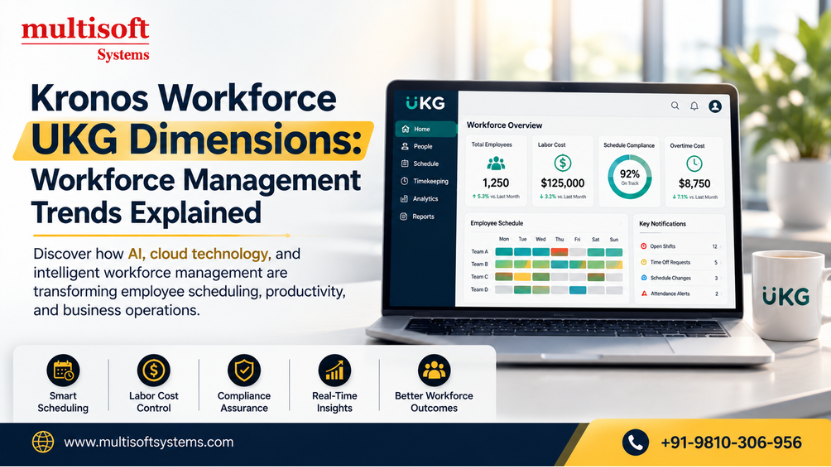
Empower Your Career with Kronos Workforce (UKG) Dimensions Online Training and Certification by Multisoft Systems


April 8, 2024
In today’s fast-paced business environment, effective workforce management is crucial for organizational success. Kronos Workforce Dimensions, now part of UKG (Ultimate Kronos Group), stands at the forefront of innovative workforce management solutions. Understanding and leveraging this platform can significantly enhance operational efficiencies and employee satisfaction. This is where Multisoft Systems steps in, offering a comprehensive online training and certification course designed to empower professionals with the knowledge and skills needed to master Kronos Workforce Dimensions.

The Essence of Kronos Workforce Dimensions

Kronos Workforce Dimensions is a state-of-the-art workforce management solution that offers unparalleled operational insights, facilitating better decision-making and productivity improvements. This cloud-based platform integrates time and attendance, scheduling, absence management, HR, and payroll functions into a single, easy-to-use interface. With its AI-powered analytics and machine learning capabilities, it provides predictive insights that help organizations optimize their workforce in real time.

Why Choose Multisoft Systems for Kronos Training?

Multisoft Systems has established itself as a leader in professional training and certification, catering to a broad spectrum of industries and technological domains. The Kronos Workforce Dimensions online training course by Multisoft Systems is meticulously designed to cater to both beginners and experienced professionals. Here’s why this course stands out:
  • Expert Instruction: Learn from certified trainers who bring a wealth of real-world experience and in-depth knowledge of Kronos systems.
  • Comprehensive Curriculum: The course covers every aspect of Kronos Workforce Dimensions, from basic navigation to advanced features like analytics and integration.
  • Flexible Learning: With an online format, participants can benefit from the training without compromising their current professional or personal commitments.
  • Hands-on Experience: Practical exercises and real-life case studies ensure that participants gain hands-on experience, making them job-ready upon course completion.
  • Certification Advantage: Earning a certification from Multisoft Systems not only validates your expertise in Kronos Workforce Dimensions but also significantly enhances your professional credibility and career prospects.

Course Highlights and Benefits

Participants of the Kronos Workforce Dimensions training course will dive deep into various functionalities of the platform, including:
  • Understanding the user interface and navigation
  • Configuring and managing timekeeping and scheduling
  • Implementing absence management policies
  • Utilizing analytics and reporting for strategic decision-making
  • Integrating Kronos with other HR systems
Upon completing the course, participants will be able to streamline workforce management processes, improve compliance, and contribute to the overall growth and efficiency of their organizations.

Who Should Enroll?

This course is ideal for HR professionals, managers, and anyone responsible for workforce management within their organization. It is also beneficial for IT professionals who support HR systems and processes. Whether you are looking to enhance your skills, embark on a new career path, or seek to maximize the potential of Kronos Workforce Dimensions within your organization, this training is for you.

Empowering Your Professional Journey

In an era where the effective management of human resources is a key differentiator, being proficient in cutting-edge tools like Kronos Workforce Dimensions can set you apart. The online training and certification course by Multisoft Systems is not just an educational program; it’s an investment in your professional development. Upon successful completion, participants will find themselves well-equipped to navigate the complexities of workforce management, drive operational excellence, and contribute significantly to their organization’s success. Furthermore, the certification serves as a testament to their expertise, opening doors to new opportunities and career advancements.

Conclusion

In conclusion, the Kronos Workforce (UKG) Dimensions online training and certification course offered by Multisoft Systems is a comprehensive program that equips professionals with the necessary skills and knowledge to excel in workforce management. By integrating practical knowledge with theoretical understanding, the course prepares participants for the challenges of modern HR management. With Multisoft Systems, you’re not just learning; you’re setting the foundation for a successful career in managing and optimizing the workforce of the future. Empower your career with this training and step into a world of opportunities equipped with the right tools and confidence.
Read More
blog-image

Empowering Your IT Career: ServiceNow Certified Application Developer Online Training with Multisoft Systems


April 2, 2024

In the rapidly evolving world of information technology, specialization is the key to unlocking new opportunities and career paths. Among the myriad of platforms and technologies that organizations use to streamline their processes and services, ServiceNow stands out as a powerful cloud-based platform that enables digital workflows to drive business growth. For IT professionals aiming to excel in this domain, becoming a ServiceNow Certified Application Developer is a significant milestone. This blog delves into the comprehensive online training offered by Multisoft Systems, designed to prepare candidates for this coveted certification. 


The Significance of ServiceNow Certification

ServiceNow is at the forefront of IT service management (ITSM), IT operations management (ITOM), and business management (BM), offering solutions that automate and integrate business processes across various departments. Given its widespread adoption, professionals skilled in developing applications on the ServiceNow platform are in high demand. The ServiceNow Certified Application Developer certification validates an individual's ability to design, build, and implement applications on ServiceNow, making them valuable assets to any IT team.

Why Choose Multisoft Systems for Your Certification Journey?

Multisoft Systems has established itself as a leader in online IT training, offering a diverse range of courses tailored to meet the evolving needs of the IT industry. The ServiceNow Certified Application Developer online training program is meticulously designed to equip learners with both theoretical knowledge and practical skills essential for the certification exam and real-world challenges. Curriculum Excellence: The training curriculum is comprehensive, covering all critical aspects of ServiceNow application development. From understanding the ServiceNow platform's architecture to mastering application UI and workflow configuration, the course ensures a deep understanding of the subject matter. Participants learn through a blend of lectures, demonstrations, hands-on exercises, and real-life project scenarios, making the learning experience engaging and effective. Expert Instructors: Multisoft Systems prides itself on its team of experienced and certified instructors. These experts bring a wealth of knowledge and practical experience, providing insights that go beyond the textbook. Their guidance is invaluable, not only for passing the certification exam but also for applying the knowledge in professional settings. Flexible Learning: Recognizing the busy schedules of working professionals, the program offers flexibility in terms of timing and pace. Participants can choose from various schedules and even opt for self-paced learning modules. This flexibility ensures that learners can balance their professional commitments while pursuing their certification goals. Support and Resources: Multisoft Systems provides extensive support to its learners, from pre-course counseling to post-training assistance. Participants have access to a wealth of resources, including study materials, practice exams, and a dedicated learning management system (LMS). This comprehensive support system is designed to address learners' queries and challenges, ensuring a smooth learning journey. Networking Opportunities: Enrolling in the program also opens doors to networking with peers and professionals in the field. These connections can be invaluable for sharing knowledge, solving problems, and exploring job opportunities.

Conclusion: A Step Towards a Brighter Future in IT

In conclusion, the ServiceNow Certified Application Developer online training by Multisoft Systems is a gateway to enhancing your IT career. With its comprehensive curriculum, expert instruction, flexible learning options, and robust support system, the program is designed to empower you with the skills and knowledge required to excel in the ServiceNow ecosystem. Whether you aim to advance in your current role or explore new opportunities, this certification can be a critical stepping stone. Enroll in the program and take the first step towards becoming a sought-after ServiceNow application developer, ready to tackle the challenges of the digital world and drive business success.

Read More

blog-image

Elevating Engineering Excellence: Fluid Power Online Training And Certification Course by Multisoft Systems


March 21, 2024
In the realm of engineering, fluid power stands as a critical technology underpinning a myriad of industrial, automotive, and mobile applications. The manipulation of fluids under pressure to generate, control, and transmit power is at the heart of hydraulic and pneumatic systems. Recognizing the technical prowess required to design, operate, and maintain these systems, Multisoft Systems has curated a comprehensive Fluid Power online training and certification course. This program is meticulously designed to cater to the educational needs of aspiring and established engineers, equipping them with the knowledge and practical skills essential for mastering fluid power technology.

The Essence of Fluid Power

Fluid power technology is celebrated for its high power-to-weight ratio, instantaneity of control, and ease of operation. Whether it's hydraulic systems operating on liquids or pneumatic systems powered by compressed air, fluid power is indispensable in countless applications. From construction machinery and aerospace components to automotive parts and industrial equipment, fluid power systems are pivotal in ensuring operational efficiency and reliability.

Multisoft Systems: A Beacon of Professional Learning

Multisoft Systems, with its long-standing reputation in professional training and certification, stands at the forefront of technical education. The Fluid Power online training and certification course is a testament to Multisoft's commitment to fostering industry-relevant skills and knowledge. Here's what makes this course a cornerstone for aspiring fluid power professionals:

Expertly Crafted Curriculum

The course curriculum is thoughtfully designed to cover all facets of fluid power technology, from fundamental principles to advanced system design and troubleshooting. Participants will delve into the intricacies of hydraulic and pneumatic systems, fluid dynamics, system components, circuit diagrams, and safety considerations. This comprehensive approach ensures a holistic understanding of fluid power applications.

Veteran Instructors

Multisoft Systems prides itself on its cadre of industry-experienced instructors. These experts bring a wealth of practical knowledge and insights, offering participants a unique opportunity to learn from professionals who have navigated the complexities of fluid power systems in real-world scenarios.

Interactive and Flexible Learning Experience

Recognizing the diverse learning preferences and schedules of its participants, Multisoft offers a blend of self-paced learning materials and live online classes. This flexible approach allows learners to engage with the course content at their convenience while also benefiting from interactive sessions that facilitate a deeper understanding of complex topics.

Hands-on Practical Exposure

To bridge the gap between theoretical knowledge and practical application, the course emphasizes hands-on learning. Through simulations, case studies, and practical exercises, participants gain valuable experience in designing and troubleshooting fluid power systems, preparing them for real-world challenges.

Certification of Proficiency

Upon successful completion of the course, participants receive a certification from Multisoft Systems, acknowledging their expertise in fluid power technology. This certification serves as a valuable asset in the job market, enhancing employability and career advancement opportunities in various engineering sectors.

Who Should Enroll?

The Fluid Power online training and certification course is ideally suited for:
  • Mechanical and industrial engineers seeking to enhance their knowledge of fluid power systems.
  • Technicians and maintenance personnel involved in the operation and upkeep of hydraulic and pneumatic equipment.
  • Engineering students aspiring to specialize in fluid power technology.
  • Professionals aiming to transition into roles that require proficiency in fluid power systems.

Conclusion: Powering Future Innovations

In conclusion, the Fluid Power online training and certification course offered by Multisoft Systems is a golden opportunity for individuals aiming to excel in the field of engineering. By providing an in-depth understanding of hydraulic and pneumatic systems, coupled with hands-on experience and professional certification, this course lays the foundation for innovation and success in various industries. Whether you are looking to advance your career, enhance your technical skills, or contribute to future technological advancements, enrolling in this course is a step toward achieving your professional goals and powering the innovations of tomorrow.
Read More

blog-image

Kronos Workforce (UKG) Dimensions Online Training and Certification Course by Multisoft Systems: Unlocking New Horizons in Workforce Management


March 18, 2024
In the evolving landscape of workforce management, where efficiency and precision play crucial roles in organizational success, Kronos Workforce (UKG) Dimensions stands out as a beacon of innovation. This powerful tool not only simplifies employee scheduling, time tracking, and human resource management but also offers insights that drive better decision-making for businesses of all sizes. Recognizing the need for skilled professionals adept at leveraging this technology, Multisoft Systems has curated a comprehensive online training and certification course aimed at equipping participants with the knowledge and skills required to master Kronos Workforce Dimensions.

Bridging the Skills Gap

The digital transformation of workforce management necessitates a new breed of professionals who are not just tech-savvy but also understand the intricacies of human resources management. Multisoft Systems, a pioneer in professional training and certification, has designed the Kronos Workforce Dimensions course to bridge this skills gap. By immersing participants in the software's functionalities, the course prepares them for real-world challenges, ensuring they can optimize workforce productivity and engagement in any organizational setting.

Course Overview

The Kronos Workforce Dimensions training by Multisoft Systems is a meticulously structured program that covers all critical aspects of the software. It is delivered online, providing flexibility to participants who can learn at their own pace without compromising their current professional commitments. The course spans several modules, each focusing on different components of the Kronos suite, including timekeeping, scheduling, absence management, labor analytics, and mobile application utilization. Participants will gain hands-on experience through virtual labs, case studies, and project work, ensuring they acquire practical skills alongside theoretical knowledge. The curriculum is updated regularly to reflect the latest features and best practices, making it a dynamic learning experience that stays relevant in a fast-changing tech landscape.

Certification: A Mark of Expertise

Upon completing the course, participants are required to pass an assessment to earn their Kronos Workforce Dimensions certification. This certification is not just a testament to their expertise in using the software but also serves as a valuable credential in the job market. Certified professionals are recognized for their ability to streamline workforce management processes, enhance productivity, and contribute to the overall success of their organizations.

Why Choose Multisoft Systems?

Multisoft Systems stands apart as a training provider due to its commitment to delivering quality education and its focus on the practical application of knowledge. Here are a few reasons why enrolling in the Kronos Workforce Dimensions course with Multisoft Systems is a wise career move:
  • Expert Instructors: Learn from industry experts who bring years of practical experience and insights into the classroom.
  • Flexible Learning: With online delivery, participants can manage their learning schedule alongside their professional and personal commitments.
  • Comprehensive Curriculum: The course covers every aspect of Kronos Workforce Dimensions, ensuring participants are well-prepared for certification and beyond.
  • Interactive Learning Experience: Engage in discussions, group projects, and hands-on labs that enhance learning outcomes.
  • Career Advancement: The certification opens doors to numerous opportunities in the realm of workforce management and HR technology.

Unlocking New Horizons

For HR professionals, project managers, and anyone interested in the field of workforce management, the Kronos Workforce Dimensions training and certification course by Multisoft Systems is a golden opportunity. It not only equips them with sought-after skills but also positions them as valuable assets in their current or future organizations. In a world where efficiency and productivity are paramount, mastering tools like Kronos Workforce Dimensions is essential. Enroll in the course today and unlock new horizons in your professional journey, setting a benchmark for excellence in workforce management.
Read More

blog-image

Unlocking Supply Chain Mastery: Explore Workday SCM Online Training with Multisoft Systems


March 15, 2024
In the ever-evolving landscape of business technology, mastering supply chain management (SCM) has become indispensable. With globalization at its peak, organizations are relentlessly seeking efficient ways to streamline their operations and enhance their supply chain strategies. Enter Workday SCM—a cutting-edge solution that empowers businesses to navigate the complexities of supply chain management with unprecedented ease and flexibility. Multisoft Systems, a leader in professional training and certification, offers an online course designed to equip professionals with the knowledge and skills required to excel in Workday SCM. This blog delves into the essence of Workday SCM online training and certification course offered by Multisoft Systems, and why it's a golden opportunity for those aspiring to thrive in the supply chain domain.

Why Workday SCM?

Workday SCM stands out as a comprehensive suite that integrates supply chain planning, procurement, and inventory with core HR and financial processes within a single system. Its intuitive design and advanced analytics capabilities enable organizations to forecast demand more accurately, optimize inventory levels, and improve procurement strategies, all while providing real-time insights into supply chain operations. This not only enhances operational efficiency but also significantly reduces costs and improves the bottom line.

The Multisoft Systems Advantage

Multisoft Systems, with its reputation for excellence in professional training, has meticulously designed the Workday SCM online training course to cater to both beginners and seasoned professionals. The course curriculum is crafted by industry experts and covers all critical aspects of Workday SCM, from basic concepts to advanced functionalities. Participants will engage in hands-on learning through real-world scenarios and case studies, ensuring they gain practical experience alongside theoretical knowledge.

What Does the Course Offer?

The online training and certification course on Workday SCM by Multisoft Systems encompasses a comprehensive curriculum that includes:
  • Introduction to Workday SCM: Understanding the core concepts and functionalities.
  • Supply Chain Planning: Learning how to effectively plan and forecast demand.
  • Procurement Processes: Mastering procurement functionalities, including supplier contracts, purchase orders, and supplier management.
  • Inventory Management: Gaining insights into managing inventory levels, stock movements, and storage.
  • Analytics and Reporting: Leveraging Workday’s analytics tools for real-time insights and decision-making.
  • Integration and Configuration: Learning how to integrate Workday SCM with other systems and customize it according to business needs.
The course also prepares participants for the Workday SCM certification, validating their expertise and enhancing their career prospects.

Who Should Enroll?

This course is ideal for supply chain professionals, procurement managers, inventory analysts, and anyone interested in mastering Workday SCM. Whether you're looking to upgrade your skills, transition to a supply chain role, or gain a competitive edge in the job market, this course is your stepping stone to success.

Learning Outcomes

Upon completing the Workday SCM online training and certification course with Multisoft Systems, participants will:
  • Have a profound understanding of Workday SCM functionalities and capabilities.
  • Be able to implement best practices in supply chain planning, procurement, and inventory management.
  • Possess the skills to leverage analytics for strategic decision-making.
  • Be prepared to earn the Workday SCM certification, opening doors to numerous career opportunities.

Conclusion: A Pathway to Supply Chain Excellence

The Workday SCM online training and certification course by Multisoft Systems is more than just a learning experience; it's a journey toward becoming a supply chain expert. With its comprehensive curriculum, hands-on learning approach, and the backing of industry professionals, participants are set to embark on a pathway to excellence. This course not only enhances your skill set but also empowers you to drive change and innovation within your organization's supply chain. Whether you're starting your career or looking to escalate to the next level, Multisoft Systems offers you the key to unlocking your full potential in the realm of supply chain management.
Read More
blog-image

Empowering Digital Transformation: Master Appian with Multisoft's Developer Training & Certification


March 11, 2024
Appian, a leading provider of modern business process management (BPM) and automation solutions, offers a powerful platform for the creation of applications that improve business operations. The Appian Developer Online Training and Certification Course by Multisoft Systems is designed to equip professionals with the knowledge and skills needed to design, develop, and deploy Appian applications effectively. This blog will delve into the benefits of the course, its curriculum, and why Multisoft Systems is the ideal choice for pursuing Appian certification.

Why Choose Appian Developer Training?

In the rapidly evolving digital landscape, businesses constantly seek ways to streamline processes, enhance efficiency, and improve customer experiences. Appian's low-code automation platform enables organizations to build applications quickly and efficiently, reducing development time and costs. By learning Appian, professionals can position themselves at the forefront of digital transformation initiatives, making them invaluable assets to their organizations.

The Multisoft Systems Advantage

Multisoft Systems stands out as a premier provider of training and certification courses, with a proven track record of excellence. With experienced instructors, comprehensive course materials, and a focus on practical learning, Multisoft ensures that learners not only gain theoretical knowledge but also hands-on experience. Their Appian Developer Online Training is delivered through a blend of live online sessions, interactive labs, and real-world projects, providing a holistic learning experience that prepares participants for professional challenges.

Course Overview

The Appian Developer Training and Certification Course is structured to cater to both beginners and experienced professionals. It covers all essential aspects of Appian development, including:
  • Introduction to Appian: Understanding the Appian platform, its components, and architecture.
  • Designing Appian Applications: Best practices for designing process models, forms, and user interfaces.
  • Building Process Models: Hands-on experience in creating and configuring process models to automate business workflows.
  • Data Management: Techniques for managing data within Appian, including designing data stores and integrating with external systems.
  • Appian Records: Understanding and utilizing Appian Records to manage and display business data.
  • User Interface Design: Principles of designing effective user interfaces using Appian's SAIL (Self-Assembling Interface Layer) language.
  • Deploying and Managing Applications: Strategies for deploying, managing, and maintaining Appian applications.

Certification Preparation

One of the key benefits of the Multisoft Systems Appian Developer Course is its focus on certification preparation. The course is designed to prepare participants for the Appian Certified Associate Developer exam, covering all the necessary topics and providing tips and strategies for success. With mock exams and review sessions, learners can assess their readiness and enter the certification exam with confidence.

Why Pursue Appian Certification?

Earning an Appian certification validates your skills and knowledge in the Appian platform, making you a more attractive candidate for potential employers. It demonstrates your commitment to professional development and your ability to contribute to digital transformation projects. With the demand for Appian developers on the rise, certification can open doors to new opportunities and career advancements.

Conclusion

The Appian Developer Online Training and Certification Course by Multisoft Systems offers a comprehensive pathway to mastering the Appian platform and advancing your career in the realm of digital transformation. With experienced instructors, a practical curriculum, and a focus on certification preparation, Multisoft Systems provides all the resources needed to succeed. Whether you're looking to enhance your skills, gain a competitive edge in the job market, or contribute more effectively to your organization's digital initiatives, this course is an excellent investment in your future.


Read More
blog-image

Unlock the Future of AI with Deep Learning Specialty Online Training by Multisoft Systems


March 8, 2024
In the rapidly evolving field of artificial intelligence (AI), deep learning stands out as a transformative technology that mimics the way humans gain certain types of knowledge. It's a subset of machine learning that uses neural networks with many layers to analyze various factors of data, enabling machines to make accurate predictions and decisions without human intervention. As the demand for skilled professionals in this domain continues to skyrocket, Multisoft Systems has emerged as a beacon for those aspiring to dive deep into the intricacies of deep learning. Their Deep Learning Specialty Online Training program is designed to equip learners with the knowledge and skills needed to excel in this cutting-edge field. Why Deep Learning? Deep learning applications are vast and impactful, ranging from self-driving cars and speech recognition systems to medical diagnosis and financial fraud detection. The ability of deep learning models to process and learn from enormous amounts of unstructured data is unparalleled. This capability makes it a crucial tool for businesses and organizations aiming to leverage big data for competitive advantage. However, mastering deep learning requires a solid understanding of complex mathematical concepts, algorithms, and programming skills. This is where Multisoft Systems steps in, offering a comprehensive curriculum that addresses these challenges head-on. Multisoft Systems' Approach to Deep Learning Training The Deep Learning Specialty Online Training by Multisoft Systems is meticulously crafted to cater to both beginners and professionals looking to advance their careers. Here’s what makes their program stand out:
  1. Comprehensive Curriculum: The course covers fundamental concepts such as neural networks, machine learning algorithms, and the TensorFlow framework, moving on to more advanced topics like convolutional neural networks (CNN), recurrent neural networks (RNN), and deep reinforcement learning. Such a broad curriculum ensures that learners gain a holistic understanding of deep learning.
  2. Practical Experience: Multisoft Systems emphasizes hands-on learning. Through interactive sessions, learners engage in real-world projects and case studies that enhance their problem-solving skills. This practical approach ensures that by the end of the course, participants are not just theoretically proficient but are also capable of implementing deep learning solutions.
  3. Expert Instructors: The training is delivered by industry experts with years of experience in AI and deep learning. These instructors bring valuable insights from the field, making the learning process engaging and insightful. Their mentorship is invaluable for students seeking to navigate the complexities of deep learning technologies.
  4. Flexible Learning: Recognizing the busy schedules of professionals, Multisoft Systems offers flexible learning options. Participants can choose from self-paced learning or instructor-led online sessions, allowing them to balance their professional commitments and learning goals effectively.
  5. Certification and Beyond: Upon completing the course, learners receive a certification from Multisoft Systems, recognized by leading organizations worldwide. This certification not only validates their skills but also significantly enhances their employability in the AI domain.
Conclusion The Deep Learning Specialty Online Training program by Multisoft Systems is more than just a course; it's a gateway to unlocking the potential of artificial intelligence. Whether you're a student, a professional looking to pivot your career, or an enthusiast keen on exploring the depths of AI, this program offers the tools, knowledge, and support needed to succeed. With AI set to redefine the future, there has never been a better time to invest in learning deep learning. Embark on this journey with Multisoft Systems and be at the forefront of the AI revolution, ready to tackle the challenges and seize the opportunities that lie ahead.
Read More
blog-image

Saviynt Online Training and Certification Course: Elevating Cybersecurity Skills with Multisoft Systems


March 5, 2024
In the rapidly evolving cybersecurity landscape, the demand for skilled professionals who can navigate complex security challenges has never been higher. Among the myriad of solutions and platforms aimed at enhancing organizational security, Saviynt stands out as a leading Identity Governance and Administration (IGA) platform. It offers comprehensive capabilities to manage access, ensure compliance, and secure enterprises across cloud, hybrid, and on-premise environments. Recognizing the critical role of expertise in this area, Multisoft Systems has curated a comprehensive online training and certification course for Saviynt, designed to empower IT professionals with the knowledge and skills they need to excel in the field of cybersecurity.

Course Overview

The Saviynt online training and certification course by Multisoft Systems is meticulously designed to cater to both beginners and experienced professionals in the cybersecurity domain. The course offers an in-depth understanding of Saviynt's features, functionalities, and best practices for implementation. It covers a broad range of topics, including but not limited to, identity governance, cloud security, application access governance, data access governance, and risk management. Learners are guided through the nuances of configuring Saviynt to meet specific organizational needs, integrating it with existing systems, and optimizing it for performance and scalability. The curriculum is structured around practical, real-world scenarios, ensuring that participants gain hands-on experience with the platform.

Training Delivery and Resources

Multisoft Systems leverages advanced e-learning methodologies to deliver this training. The course is conducted online, allowing participants to learn at their own pace and convenience. It comprises interactive sessions, detailed video lectures, and live demonstrations by certified instructors with extensive experience in cybersecurity and Saviynt. Participants also get access to a wealth of resources, including comprehensive course materials, practice tests, and case studies. These resources are designed to enhance learning and enable participants to apply their knowledge practically.

Certification and Career Advancement

Upon successful completion of the course, participants are awarded a certification from Multisoft Systems, recognizing their proficiency in Saviynt. This certification is a testament to their skills and knowledge, making them highly desirable to employers seeking to bolster their cybersecurity capabilities. Holding a Saviynt certification opens up numerous career opportunities. Certified professionals can pursue roles such as Security Analyst, Identity and Access Management (IAM) Consultant, Saviynt Implementation Specialist, and many others across various industries. The certification not only validates their expertise but also significantly enhances their career prospects and earning potential.

Why Choose Multisoft Systems?

Multisoft Systems stands out as a premier provider of IT and professional training courses, with a long-standing reputation for excellence. Here are several reasons why enrolling in the Saviynt online training and certification course with Multisoft Systems is a wise decision: Expert Instructors: Learn from industry experts who bring their real-world experience into the classroom. Flexible Learning: The online format accommodates your schedule, allowing you to learn at your own pace. Comprehensive Curriculum: The course covers all aspects of Saviynt, ensuring you are well-prepared for the certification exam and professional challenges. Hands-on Experience: Gain practical experience through live demos and hands-on exercises. Career Advancement: Enhance your resume and open doors to new job opportunities in the burgeoning field of cybersecurity.

Conclusion

As cybersecurity threats continue to evolve, the need for skilled professionals equipped with the latest tools and technologies has never been more critical. The Saviynt online training and certification course by Multisoft Systems offers a golden opportunity for IT professionals to enhance their skills and advance their careers. With expert instruction, comprehensive resources, and certification recognized by employers, participants will be well-equipped to tackle the challenges of modern cybersecurity and make a significant impact in their organizations. Enroll today to take the first step towards becoming a cybersecurity expert with a specialization in Saviynt.
Read More
blog-image

SAP IBP Tutorial


October 17, 2023

What is IBP?

IBP stands for Integrated Business Planning. It is a process that involves the alignment and synchronization of all aspects of an organization, including finance, operations, and sales to improve decision-making, resource allocation, and business performance. IBP is an expanded form of Sales and Operations Planning (S&OP) and is aimed at creating a comprehensive, cohesive plan that can adapt to changing business and market conditions. By aligning strategic, operational, and financial goals, IBP helps organizations become more responsive, agile, and customer-focused, driving improved profitability, reduced costs, and enhanced customer satisfaction. It fosters collaboration and communication across different departments, ensuring a unified approach to achieving business objectives. SAP IBP (Integrated Business Planning) online training and certification course offered by Multisoft Systems is a comprehensive program designed to equip professionals with in-depth knowledge and skills to effectively utilize SAP IBP for optimized business planning. It presents a confluence of theoretical knowledge and practical exposure, aiming to create professionals who are adept at leveraging SAP IBP to enhance organizational efficiency. The SAP IBP Modules
  • Inventory Optimization: Inventory Optimization in SAP IBP ensures that organizations maintain optimal inventory levels. It uses advanced algorithms and analytics to balance the demand and supply variability, minimizing costs while ensuring product availability. This module helps in reducing excess inventory, carrying costs, and stockouts, leading to efficient inventory management, improved customer service levels, and increased profitability.
  • Supply Planning: Supply Planning in SAP IBP focuses on creating a balanced, executable supply plan. It integrates data and processes to optimize resource allocation, production schedules, and distribution plans. This module aids in aligning supply with demand forecasts, ensuring efficient operations, reduced lead times, and minimized costs.
  • Sales & Operations: The Sales & Operations module of SAP IBP facilitates comprehensive planning integrating sales, marketing, and operations. This module enables real-time data access, scenario simulations, and analytics to support informed decision-making, ensuring that organizational goals are met efficiently and effectively.
  • Response & Supply Planning: Response & Supply Planning in SAP IBP enables organizations to respond swiftly to changes in demand or supply. This module aids in managing unexpected disruptions, balancing supply constraints, and meeting customer demands efficiently, ensuring service levels are maintained while optimizing operational costs.
  • Demand-Driven Material Requirement Planning (DDMRP): DDMRP in SAP IBP is a methodology aimed at improving supply chain responsiveness. It focuses on strategically placing inventory to absorb variability and shorten lead times. This module helps organizations become more agile, responsive, and customer-centric, reducing stockouts and excess inventory.
  Sales and Operations Planning with SAP IBP Sales and Operations Planning (S&OP) with SAP Integrated Business Planning (IBP) certification serves as a linchpin for organizations striving for precision, agility, and efficacy in their supply chain processes. SAP IBP is pivotal in harmonizing demand and supply paradigms, embedding a layer of sophistication and real-time responsiveness into the planning portfolio of businesses. In the competitive terrain of global commerce, having instant access to contemporary supply and demand data is not just a necessity but a competitive edge. SAP IBP caters to this need, fostering an environment where data is not just accessible but is also actionable. Companies leverage this tool to navigate through a single system of records, engendering a holistic view of the entire procure-to-pay journey. This integration capacitates businesses to articulate various scenarios, offering insights into cost trajectories, resource allocations, and operational capabilities. Harnessing the power of SAP IBP, firms transform data into intelligence. The nuanced understanding of client demand patterns becomes a compass, directing marketing strategies to untapped avenues and potential niches. Integration with existing SAP ecosystems augments record-keeping precision, making data a trusted ally for decision-makers. The tool's modeling features are akin to a compass in the intricate landscape of demand fulfillment. Companies are not just responding to client requirements but are anticipating and strategizing, ensuring that solutions are not reactive but proactive. Collaboration is the silent engine that powers the efficacy of SAP IBP. By converging data into a centralized repository, it dismantles silos and erects bridges of collaboration among teams. Every stakeholder, from sales to operations, navigates through a unified data stream, ensuring that planning is not just an isolated activity but a collaborative venture. In this environment, data accuracy is not just a feature but a culture, ensuring that every decision, strategy, and initiative is rooted in real-time, actionable, and reliable data. In essence, SAP IBP online training is not just a tool but a strategic ally, positioning businesses in the vanguard of supply chain innovation, where decisions are informed, strategies are agile, and planning is a harmonious blend of precision and flexibility.   3 stages of SAP IBP Process Flow Stage 1: Data Gathering The first stage in the SAP Integrated Business Planning (IBP) process flow is data gathering. In this critical phase, organizations collect a vast array of data from various sources to build a comprehensive and detailed dataset. This could include historical sales data, inventory levels, customer orders, and other relevant information. This stage is foundational, as the quality and accuracy of gathered data directly influence the effectiveness of subsequent analysis and planning phases. Stage 2: Data Analysis Once the data is gathered, the next stage involves data analysis. SAP IBP is equipped with advanced analytics and reporting tools that allow businesses to sift through the collected data, identify patterns, and uncover insights. At this stage, organizations analyze the data to understand demand trends, supply chain efficiencies, and potential bottlenecks. The insights derived in this phase are instrumental in making informed, data-driven decisions, ensuring that planning and execution are anchored in real-time insights. Stage 3: Planning The planning stage is where strategies and actions are formulated based on the insights gleaned from the data analysis phase. SAP IBP enables a collaborative and integrated approach to planning, ensuring that all stakeholders, from sales to supply chain managers, have access to the same data and insights. In this phase, organizations develop plans for demand fulfillment, inventory management, and resource allocation, among others. The planning phase culminates in the execution of strategies, monitored and optimized continuously through the feedback loop enabled by SAP IBP’s real-time analytics. Each of these stages is interconnected, forming a seamless, integrated process where data, insights, and actions are aligned, ensuring that organizations are agile, informed, and prepared to navigate the complexities of the modern business landscape with precision and adaptability.   Conclusion The SAP IBP online training and certification course by Multisoft Systems is not just a learning program but a journey of professional development. It equips participants with the knowledge, skills, and confidence to harness the power of SAP IBP effectively, turning data and insights into strategic actions that propel organizational growth and efficiency. Every aspect of the course, from its content to delivery, is orchestrated to ensure that participants emerge as competent, confident, and certified SAP IBP professionals, ready to make a tangible impact in the business world. The flexibility, comprehensiveness, and global recognition of the certification make it a valuable addition to the corporate training portfolio, fostering a workforce that is agile, informed, and adept at leveraging cutting-edge technologies like SAP IBP to drive organizational success in a competitive business environment.
Read More
blog-image

Importance of Waste Management in SAP EHS


October 14, 2023
In the realm of enterprise software solutions, SAP (Systems, Applications, and Products in Data Processing) stands as a colossus, empowering organizations to streamline their processes, enhance productivity, and elevate efficiency. One of its eminent modules, SAP EHS (Environment, Health, and Safety), is dedicated to ensuring that businesses operate within the stipulated regulations while safeguarding the environment, the health of employees, and workplace safety. At Multisoft Systems, we’ve curated a meticulous SAP EHS online training & certification course to equip professionals with the proficiency to navigate this complex, yet indispensable module. Our SAP EHS online training isn’t just a course; it’s a well-rounded learning experience delivered with precision, ensuring that every participant garners an in-depth understanding, coupled with practical insights. What distinguishes Multisoft’s offering is its balance between theoretical principles and hands-on applications. We delve into the core components of SAP EHS, including waste management, occupational health, industrial hygiene, and product safety, providing learners with a panoramic view of EHS functionalities. Multisoft Systems understands that every learner is unique, with distinct learning paces and preferences. Hence, our SAP EHS online training is tailored to be flexible, adapting to the individual needs of each participant. The course encapsulates interactive learning sessions, led by seasoned instructors who bring a wealth of industry experience and insights. The Importance of Waste Management With the mounting pressures of modern-day production and manufacturing, organizations are more than ever responsible for the waste they produce and its proper management. The SAP Environment, Health, and Safety (EHS) module addresses this pivotal issue head-on. One of the most significant components in this comprehensive module is waste management. Today, we'll dive deep into the importance of waste management training within the SAP EHS online curriculum and understand why it’s an absolute necessity for businesses today. The direct link between waste and environmental degradation is undeniable. Improper waste management can lead to soil and water pollution, harm aquatic life, and even detrimentally affect human health. Beyond the environmental and health implications, poorly managed waste can result in hefty penalties, legal actions, and a tarnished brand image. This is where SAP EHS comes to the rescue. It offers tools and processes that assist companies in handling waste effectively from its generation to disposal, ensuring compliance with local and international regulations. Delving into SAP EHS Waste Management Training The waste management component of the SAP EHS ensures that participants understand the end-to-end process, from classifying waste based on its characteristics to understanding the regulatory requirements for its disposal.
  1. Waste Classification: Before any disposal, waste must be classified based on its nature, whether it's hazardous, non-hazardous, recyclable, or organic. SAP EHS provides an integrated system to automatically classify waste, reducing human error.
  2. Disposal Documentation: Proper documentation is not just essential for legal reasons, but also for internal audits and sustainability reports. The EHS module helps automate and streamline the documentation process.
  3. Integration with Logistics: The training emphasizes the seamless integration of waste management with logistics, ensuring safe transportation, storage, and disposal of waste.
  4. Legal Compliance: Regulations regarding waste vary across regions and countries. The EHS system is designed to be adaptable to various legal scenarios, and the training ensures that participants understand how to configure and use the system to remain compliant.
  The Payoff of Proper Training By undergoing thorough training in waste management via SAP EHS online courses, participants and their respective organizations stand to gain immensely:
  • Operational Efficiency: A streamlined and automated process results in smoother operations and less manual intervention.
  • Cost Savings: By avoiding legal penalties and optimizing waste disposal processes, companies can realize significant cost benefits.
  • Sustainability: In an age where sustainability is a significant concern, efficient waste management enhances a company's green credentials and improves stakeholder trust.
While SAP EHS encompasses a wide array of topics from industrial hygiene to product safety, waste management stands out due to its immediate environmental, health, and economic impacts. Investing in SAP EHS online training, especially with a focus on waste management, isn’t just a strategic move; it’s a nod to a sustainable and prosperous future. If you’re considering enhancing your EHS knowledge or that of your organization, now is the time to prioritize waste management in your learning journey. Let’s expand this blog by introducing a couple of real-world case studies that illustrate the critical role of SAP EHS in waste management, showcasing the tangible benefits organizations can achieve.   Case Study 1: A Chemical Manufacturing Company Background: A leading chemical manufacturing company was facing challenges in managing and disposing of hazardous waste effectively. Manual processes led to errors, inefficiencies, and regulatory non-compliance, impacting both the environment and the company’s reputation. Intervention: The Company enrolled its employees in SAP EHS online training, focusing specifically on the waste management module. The team learned to automate the classification, handling, and disposal of waste, ensuring real-time tracking and compliance with legal requirements. Outcome: With the integration of SAP EHS, the company reduced waste disposal errors by 80%. There was a notable improvement in operational efficiency, leading to a 30% reduction in waste management costs. Enhanced regulatory compliance mitigated legal risks and bolstered the company’s reputation as a responsible entity.   Case Study 2: A Global Pharmaceutical Corporation Background: A multinational pharmaceutical corporation with facilities worldwide was struggling to manage waste disposal uniformly across different geographical locations, each with its distinct set of regulations and requirements. Intervention: SAP EHS online training equipped the corporation’s EHS team with skills to configure the system according to diverse legal scenarios. The comprehensive training covered global waste management standards, enabling the team to create a unified, yet flexible, waste management protocol. Outcome: The Corporation achieved a 50% improvement in waste management efficiency, ensuring compliance with regional and international standards. The standardization of processes led to enhanced data accuracy, informed decision-making, and strengthened the company’s commitment to environmental sustainability.   Amplifying the Conversation These case studies underscore the transformative potential of SAP EHS online training in empowering organizations to not just meet but exceed waste management expectations. The training offers an amalgamation of theory and practical insights, emphasizing the application of learned concepts in real-world scenarios. As organizations increasingly align with global sustainability goals, the significance of effective waste management continues to escalate. SAP EHS online training course emerges as a vital resource, preparing professionals to navigate the complexities of waste management with confidence, precision, and innovation. The case studies affirm that the knowledge and skills acquired in SAP EHS certification training translate to measurable, impactful outcomes, underscoring the training’s indispensable value in today’s competitive, conscientious business landscape.   Conclusion In a world inundated with myriad training providers, Multisoft Systems distinguishes itself through a legacy of excellence, a curriculum designed with precision, and a learning experience curated for optimal engagement. Our SAP EHS online training is not just about imparting knowledge; it's about sculpting professionals, equipped and enlightened, ready to make a tangible impact in the dynamic world of environment, health, and safety management. Our training extends beyond individual enrichment; it's an invaluable asset in corporate training programs as well. Enroll today and transform your aspirations into a tangible professional journey marked by knowledge, skill, and distinction.
Read More
blog-image

What are the advanced features of SPI Intools?


October 13, 2023
SPI (SmartPlant Instrumentation), formerly known as Intools, is a comprehensive software application used for designing and engineering automated instrumentation systems in various industries. It is especially popular in process industries, including oil and gas, petrochemicals, and chemical manufacturing. Developed by Intergraph Corporation, SPI Intools provides a versatile platform that helps engineers and designers at every stage of the instrumentation process, from planning and design to maintenance and operations. Therefore, Multisoft Systems introduces SPI Intools Online Training, which is a specialized instructional program designed to educate individuals remotely on using the SPI (SmartPlant Instrumentation) Intools software. The training typically covers the comprehensive functionalities of the software, empowering participants to utilize it effectively for designing, managing, and optimizing automated instrumentation and control systems in various industrial applications. In an era where digital transformation is reshaping industries, mastering tools that drive innovation and efficiency is paramount. One such tool, SPI Intools, has proven to be instrumental in revolutionizing instrumentation engineering. At Multisoft Systems, we are excited to introduce our comprehensive SPI Intools Online Training & Certification Course, designed to equip you with the skills to navigate this powerful tool with dexterity. Upon completion, participants are awarded an SPI Intools certification, a testament to their proficiency in that respective field. This certification is recognized across industries, serving as a beacon of your skills and expertise. With Multisoft’s emblem on your certification, you underscore your readiness to contribute effectively to complex engineering projects, ensuring efficiency and safety. Advanced Features of SPI Intools In today’s dynamic world, industries seek technologies that not only enhance efficiency but ensure that every phase of the process is optimized to the highest standards. SPI Intools training course emerges as a frontrunner in this context, offering a comprehensive suite of advanced features that streamlines the designing and engineering processes of instrumentation for various industries. Here, we explore in detail the notable advanced features of SPI Intools, demonstrating their pivotal role in augmenting operational efficiency and ensuring precision in engineering endeavors.
  1. Feature-Rich Database
One of the most lauded attributes of SPI Intools is its robust database that fosters seamless data management and facilitates a conducive environment for effective collaboration. The database is tailored to support vast datasets, ensuring engineers have unhindered access to real-time data which is crucial for informed decision-making.
  1. Instrument Data Sheets
SPI Intools enhances productivity through its automated generation of instrument data sheets. This feature eliminates the tedious and error-prone manual creation process, ensuring data sheets are generated with optimal accuracy and efficiency. Moreover, the customization option ensures each data sheet is aligned with specific project requirements.
  1. Loop Diagrams
The software’s ability to automatically generate detailed loop diagrams is a testament to its innovative design. Engineers can visualize intricate processes with ease, enabling a thorough analysis and assessment, which in turn aids in the precision tuning of the processes. The feature accommodates complex configurations, guaranteeing that every aspect of the process is meticulously represented.
  1. Integration Capabilities
SPI Intools is renowned for its seamless integration with other engineering tools and platforms. This interoperability ensures that engineers can leverage diverse tools concurrently, enhancing the scope and efficiency of their projects. Data exchange is streamlined, and workflow automation is optimized, embodying a holistic approach to engineering design.
  1. User-Friendly Interface
The user interface of SPI Intools is designed with user experience at its core. The intuitive design ensures that professionals, irrespective of their technical prowess, can navigate and utilize the myriad features effectively. This inclusivity fosters an environment where innovation and efficiency are not impeded by complex operational barriers.
  1. Project Customization
Every project possesses unique requirements and challenges. SPI Intools caters to this diversity through its project customization feature. Engineers can tailor the platform’s functionalities to align with specific project goals and objectives. This adaptability ensures that the software is a practical asset in varied industrial contexts.
  1. Safety Instrumented Systems (SIS)
In the realm of safety, SPI Intools has carved a niche through its comprehensive features tailored to design and manage Safety Instrumented Systems. Engineers can meticulously plan, implement, and manage SIS, ensuring that industry standards and safety protocols are adhered to with utmost precision.
  1. Version Control
In collaborative environments, version control emerges as a critical aspect of efficient operations. SPI Intools’ version control feature ensures that every modification and update is meticulously logged. This fosters transparency and accountability, ensuring that teams can collaborate effectively without the risk of data loss or inconsistency
  1. Compliance and Standards
SPI Intools is embedded with features that ensure compliance with international engineering and safety standards. Every design and process is vetted against these benchmarks, guaranteeing that projects not only achieve operational excellence but are also aligned with legal and safety requisites.
  1. Comprehensive Reporting
Data interpretation and analysis are pivotal in informed decision-making. The comprehensive reporting features of SPI Intools ensure that data is not only collected but also presented in intuitive formats that facilitate in-depth analysis. Customization options ensure that reports are tailored to meet specific analytical needs. Therefore, SPI Intools online certification stands as a cornerstone in modern industrial instrumentation design. Its advanced features are not just technological enhancements but are strategic assets that ensure every phase of the engineering process is optimized, efficient, and compliant with the highest standards of safety and excellence.   Join Us Today! Embarking on our SPI Intools Online Training & Certification Course is not just a learning expedition but a journey where careers are transformed, and organizational goals are realized. Join us and let's explore the infinite possibilities that mastery of SPI Intools unveils. At Multisoft Systems, we are not just offering a course but a partnership where your career and organizational aspirations are nurtured to fruition. Corporate training, especially in specialized software like SPI Intools, plays a crucial role in this endeavor. Equip yourself with the skills, knowledge, and certification that sets you apart in the competitive industrial landscape. Your journey to mastery of SPI Intools begins with a single step – and we are excited to walk this transformative journey with you. Enroll today!
Read More

blog-image

Top 5 Benefits of Fluid Power Training


October 12, 2023
Fluid Power Training refers to a specialized education and skill development program focusing on fluid power systems, including hydraulics and pneumatics. These systems are pivotal in various industries due to their efficiency, reliability, and versatility in operating heavy machinery, automated equipment, and other mechanical systems. In the constantly evolving landscape of engineering and technology, staying updated with the latest trends and skills is not just beneficial but essential. Multisoft Virtual Academy understands this necessity and is committed to providing world-class training to aspiring professionals and students. One of our spotlight courses, the Fluid Power Training, is meticulously designed to equip you with the profound knowledge and skills required to master the intricate systems of hydraulics and pneumatics. Our Fluid Power Training is not just a course; it’s a journey where participants delve deep into the world of fluid mechanics, exploring its applications in modern industry and engineering. You will learn the foundational principles of fluid power, hydraulic and pneumatic systems operation, maintenance, and troubleshooting. Each module is crafted with precision, ensuring that it is comprehensive, interactive, and aligned with the industry standards. Upon completion of the course, participants receive a globally recognized Fluid Power certification from Multisoft Virtual Academy. This certification is a testament to your skills and knowledge in fluid power systems, making you an asset to any organization. The training is aligned with the global standards, ensuring that you’re not just job-ready but are equipped to take on challenges in a global landscape.   Benefits of Fluid Power Training Fluid Power Training encompasses a comprehensive learning process that endows participants with essential skills and knowledge in hydraulic and pneumatic systems. As technologies evolve and industries seek more efficient, reliable, and sustainable means to power machinery, fluid power emerges as a significant player. For professionals aiming to bolster their careers or organizations aspiring to enhance operational efficiency, understanding the underlying benefits of Fluid Power Online Training is pivotal. Below are the top 5 benefits elucidating its importance:
  1. Enhanced Technical Skills
One of the cardinal benefits of fluid power training is the augmentation of technical skills. Participants gain an in-depth understanding of the fundamental principles governing hydraulic and pneumatic systems. They learn to design, operate, and maintain these systems efficiently, ensuring optimal performance. The training encapsulates a blend of theoretical knowledge and practical skills. It imparts proficiency in reading and interpreting fluid power diagrams, selecting appropriate components, and troubleshooting common issues. As a result, participants can handle complex machinery and systems with increased confidence and expertise.
  1. Safety Protocols
Safety is paramount in any industrial setting. Fluid power training ingrains stringent safety protocols in the learners. With a profound understanding of the systems, participants can identify potential hazards, ensuring both personal and workplace safety. They become adept at implementing preventive measures, conducting regular inspections, and ensuring that the machinery operates within the stipulated safety parameters. This reduction in workplace accidents not only safeguards human resources but also translates into financial savings for organizations.
  1. Operational Efficiency
Training in fluid power directly correlates with enhanced operational efficiency. Knowledgeable and skilled operators ensure that the machinery runs at optimal efficiency, reducing downtime and maintenance costs. They can identify and rectify issues promptly, ensuring that the operations remain uninterrupted. Furthermore, with an advanced understanding of the systems, they can optimize them for superior performance, leading to increased productivity and output. The knowledge of energy-efficient operation of fluid power systems also contributes to reduced energy costs.
  1. Career Advancement
For individual professionals, fluid power training paves the way for significant career advancement. Armed with specialized skills, they become invaluable assets to their organizations. There is a growing demand for professionals adept in fluid power systems, given their application across various industries including manufacturing, aerospace, and marine, among others. Certification in fluid power can open doors to elevated job roles, increased remuneration, and broader career prospects. It signifies a professional’s commitment to learning and excellence, making them stand out in the competitive job market.
  1. Innovation and Adaptability
In a world where technological advancements are rapid and incessant, fluid power training equips professionals with the ability to innovate and adapt. With comprehensive knowledge, they can contribute to the innovation of more efficient, reliable, and sustainable fluid power systems. They become adept at integrating these systems with emerging technologies such as automation and IoT (Internet of Things). This adaptability is crucial for both individuals and organizations to stay relevant and competitive in the dynamically evolving industrial landscape.   Conclusion In essence, Fluid Power Training is not just a pathway to individual professional development but is a catalyst for organizational growth and innovation. It intertwines the enhancement of technical skills, safety protocols, and operational efficiency, yielding a workforce that is adept, safe, and productive. As industries veer towards more advanced and complex machinery, the importance of specialized training in fluid power becomes unequivocal. It’s an investment that yields multifaceted returns, positioning both professionals and organizations for success in a world powered by innovation and efficiency. Investing in fluid power training is synonymous with steering towards a future of enhanced capability, safety, and productivity, grounded in knowledge and expertise. Corporate training in fluid power allows organizations to systematically upskill their employees, ensuring that the entire team is well-versed with the latest in fluid power technology and safety protocols. Explore the details of our Fluid Power Online Training & Certification Course, and step ahead to a world of opportunities, innovations, and advancements. Your journey to mastering fluid power systems begins here, and we are committed to making it insightful, enriching, and rewarding. Welcome to Multisoft Virtual Academy – where learning meets excellence.
Read More

blog-image

Asset Accounting in SAP FICO: A Comprehensive Guide


October 11, 2023

Introduction

In the dynamically evolving world of finance and accounting, staying updated with the latest technologies and skills is not just an option but a necessity. Multisoft Systems recognizes this imperative need and brings to you a meticulously crafted SAP FICO online training and certification program. Designed to blend theoretical insights with practical application, this program aims to transform finance professionals into SAP FICO maestros. Multisoft Systems’ SAP FICO online training is characterized by a comprehensive curriculum that dives deep into the nuances of SAP Financial Accounting (FI) and Controlling (CO). From mastering the art of financial transactions with SAP FI to enhancing operational efficiency with SAP CO, the course covers it all. It ensures that participants are well-versed in essential skills like asset accounting, accounts receivable/payable, budgeting, and forecasting. Enrolling in this course doesn’t just offer learning; it opens the gateway to becoming SAP FICO certified. Our curriculum is aligned with the certification requirements, ensuring that post-training, participants are not just skill-enhanced but also wear the coveted tag of being SAP FICO certified. This certification stands as a testament to your expertise, offering a competitive edge in the job market.  

 What is Asset Accounting? Asset Accounting, a pivotal component within SAP FICO (Financial Accounting and Controlling), serves as the cornerstone for managing and monitoring fixed assets in an organizational setting. This subsystem is intricately designed to handle tasks associated with the entire lifecycle of assets, from acquisition to depreciation, and ultimately retirement. In this guide, we’ll delve deeply into the integral facets of Asset Accounting in SAP FICO, unveiling its key features, functionalities, and the seamless integration it offers in the intricate world of financial accounting.   Key Features of Asset Accounting 

  • Asset Classes: Asset classes are central to SAP FICO Asset Accounting. They categorize assets into distinct groups, like machinery, buildings, or vehicles, to streamline asset management. Each asset class is tailored with specific configurations to manage assets efficiently based on their type and business requirements.
  • Depreciation Calculation: One of the standout features of Asset Accounting is the automated calculation of asset depreciation. SAP FICO is equipped with various depreciation methods, catering to different business needs and adhering to legal requirements, ensuring that asset valuation is both accurate and compliant.

  Asset Lifecycle Management 

  • Acquisition: Acquisition in SAP Asset Accounting is characterized by flexibility. Whether assets are purchased, produced in-house, or acquired through other means, the system is adept at capturing and recording each transaction, ensuring the financial data is comprehensive and up-to-date.
  • Capitalization: The process of capitalization is simplified, allowing organizations to easily convert expenses into assets. This is pivotal for enhancing financial accuracy, offering insights into the actual value of assets and their contribution to the organization’s overall worth.
  • Depreciation: Depreciation management is automated and robust. Users can easily schedule depreciation runs, ensuring that asset values are consistently updated. This aids in financial reporting, offering insights into asset value depreciation over time.

  Integration with Other Modules Asset Accounting is not a standalone entity; it is seamlessly integrated with other SAP modules. Whether it’s procurement through the Materials Management module or project systems for in-house production, the integration is smooth, ensuring data consistency and accuracy. Real-time data processing ensures that every transaction is instantly reflected in the financial books. This instantaneous processing is pivotal for ensuring that financial reports are current, aiding in informed decision-making.   Reporting in Asset Accounting 

  • Comprehensive Reports: Asset Accounting offers a range of comprehensive reports. From asset balances to depreciation forecasts, each report can be customized to meet specific business needs, offering insights that are both deep and broad.
  • Regulatory Compliance: Adhering to legal and regulatory requirements is streamlined. The system is equipped with features that ensure compliance, reducing the risk of legal complications and ensuring that the organization’s financial operations are above board.

Hence, the Asset Accounting in SAP FICO certification course stands as a powerhouse for managing organizational assets. It’s not just about recording asset values but offers a comprehensive solution that caters to every phase of the asset lifecycle. With features like automated depreciation, seamless integration with other SAP modules, and a plethora of customized reports, organizations are well-equipped to handle their assets with accuracy, efficiency, and compliance. Embarking on a journey to explore and utilize SAP FICO’s Asset Accounting is akin to stepping into a world where asset management is not just a task but a strategic initiative that contributes to organizational growth and stability.   Conclusion Multisoft Systems is not just an institution but a learning partner committed to personalizing the educational experience. As we embark on this journey to explore the SAP FICO online training & certification course together, we promise an experience that is as enriching as it is enlightening. For organizations, this program is a golden opportunity to upscale the skills of your finance team, ensuring they are equipped to navigate the intricacies of financial management with expertise. We also offer customized corporate training solutions, ensuring that the specific learning needs and organizational objectives are met with precision and effectiveness. Join us, and let’s unleash the world of opportunities that SAP FICO encapsulates!

Read More

blog-image

Navigating the Waters of Simulation: Dive into OrcaFlex Online Training and Certification with Multisoft Systems


October 10, 2023

Introduction: Setting Sail with OrcaFlex

In the dynamic world of marine engineering and offshore technology, staying updated with cutting-edge knowledge and skills is not just an asset, but a necessity. Multisoft Systems understands this imperative need and introduces an exhaustive OrcaFlex Online Training and Certification Course, meticulously designed to elevate professionals to global standards. OrcaFlex is renowned software, integral for designing and analyzing marine structures amidst real-life sea conditions.

Navigating Complex Waters with Ease

Understanding the intricate nature of marine structures and sea conditions requires a sophisticated set of skills. Multisoft’s OrcaFlex training has been tailored to impart these skills efficiently, ensuring that participants are not just aware but adept at maneuvering through complex design and analysis scenarios. The course covers extensive modules that include mooring analysis, dynamic analysis, and marine operability assessments among others.

Real-Time Learning with Seasoned Mariners

The OrcaFlex Online Training and Certification Course by Multisoft is delivered by seasoned experts with years of hands-on experience in the marine and offshore industry. These professionals ensure that participants are exposed to real-world scenarios, case studies, and simulations that hone their problem-solving abilities and creative thinking. Every session is aimed at ensuring that the knowledge imparted is not just theoretical but deeply rooted in practical applications.

Globally Recognized Certification

On completion of the course, participants are awarded a certification that stands as a testament to their comprehensive learning and enhanced skills. This certification is globally recognized, opening avenues for opportunities across borders. It underscores the holder’s proficiency in OrcaFlex, showcasing them as equipped and ready to take on challenges in designing and analyzing robust marine structures.

Flexible Learning Pathways

In today’s fast-paced world, professionals seek learning that can be seamlessly integrated into their busy schedules. Multisoft Systems is synonymous with flexibility, offering a learning experience that is self-paced, yet deeply engaging. The OrcaFlex training is available online, ensuring that learning is not confined to geographical boundaries. Participants can access a rich repository of learning material, interactive sessions, and assessments, anytime, anywhere.

Conclusion: Anchoring Success with OrcaFlex Training

The OrcaFlex Online Training and Certification by Multisoft Systems is more than a course; it’s a journey that transforms professionals into experts, ready to make their mark in the marine and offshore industry. With the world moving towards an era where the sea is seen not just as a resource but a hub of innovation and opportunities, being equipped with the right skills and knowledge is the anchor that ensures one is not swayed but stands resilient and capable. Dive into a world where learning meets excellence, theory meets application, and skills meet global standards. Your journey to mastering the complexities of marine structures and offshore technologies begins here, with Multisoft Systems’ OrcaFlex Online Training and Certification Course. Sail ahead, the waters are just right!
Read More

blog-image

Stepping into the Future: A Guide to ServiceNow Admin Online Training


October 9, 2023

Introduction

In today’s rapidly changing business environment, organizations are always on the lookout for innovative solutions to enhance their operational efficiency. One of the prominent tools that have been making waves in the world of IT Service Management (ITSM) is ServiceNow. As businesses globally are adopting this powerful platform, the demand for skilled ServiceNow administrators is soaring. Recognizing this need, Multisoft Systems has meticulously designed a comprehensive ServiceNow Admin Online Training and Certification Course, tailored to equip aspirants with the necessary skills and knowledge to excel in this domain.

Course Overview

Comprehensive Curriculum

The ServiceNow Admin Online Training and Certification Course offered by Multisoft Systems covers a broad spectrum of topics ensuring participants garner a holistic understanding of the platform. The curriculum is punctuated with modules on configuration, administration, and implementation of ServiceNow, providing insights into the real-world application of the tool. It encompasses hands-on exercises and theoretical knowledge to ensure a balanced learning experience.

Expert Trainers

Multisoft’s team of seasoned professionals, with their extensive industry experience and rich insights, delivers the course content in an engaging manner. These trainers are not just educators but are industry experts who bring a wealth of practical examples. This enhances the learning experience, ensuring that students are well-prepared to tackle real-world challenges.

Flexibility and Convenience

Understanding the varied needs of learners, the course is designed to offer maximum flexibility. As a participant, you have the convenience to access the course content anytime, anywhere. This ensures that learning does not interrupt your professional commitments and you can pace your learning as per your comfort.

Key Takeaways

Skill Enhancement

Upon completion of the ServiceNow Admin Online Training, participants will be adept at configuring, managing, and maintaining the ServiceNow platform. They will acquire skills to automate various business processes and ensure that the organization’s ITSM is streamlined and efficient.

Certification Advantage

As a globally recognized training provider, Multisoft Systems provides certification upon successful completion of the course. This certification serves as a testament to the participant's expertise and proficiency in ServiceNow administration, opening doors to lucrative career opportunities.

Continuous Support

Multisoft Systems stands out for its unwavering support to all its participants. Even post-completion of the training, students can access the course material and seek assistance from trainers. This ensures that learning is ongoing and participants can tackle the challenges they face in their professional journey with confidence.

Conclusion

Enrolling in the ServiceNow Admin Online Training and Certification Course by Multisoft Systems is a significant step towards embarking on a rewarding career path in ServiceNow administration. As organizations continue to integrate ServiceNow into their ITSM, the need for skilled administrators is bound to escalate. This course, with its comprehensive curriculum, expert trainers, and flexible learning options, stands as a beacon for aspiring professionals aiming to carve a niche in this domain. The globally recognized certification awarded by Multisoft amplifies the career prospects, ensuring that participants are well-positioned to capitalize on the emerging opportunities in the dynamic landscape of IT service management.
Read More

blog-image

ServiceNow Admin Interview Questions


October 7, 2023
ServiceNow Admin Online Training & Certification Course offered by Multisoft Systems is a comprehensive program designed for professionals looking to excel in the domain of service management. This course equips learners with in-depth knowledge and practical skills essential for the efficient administration of the ServiceNow platform. Covering a diverse range of topics, including incident and change management, workflow automation, and security administration, this training ensures participants can effectively utilize ServiceNow to enhance organizational productivity and service delivery. This course by Multisoft Systems stands as a pathway to elevate your career, opening doors to lucrative opportunities in the rapidly evolving field of IT service management, with a focus on mastering the versatile and powerful ServiceNow platform. So, here are the frequently asked interview questions for beginners as well as for experienced: Q1. What is ServiceNow? ServiceNow is a cloud-based platform that provides service management software as a service. It specializes in IT services management (ITSM), IT operations management (ITOM), and IT business management (ITBM), helping organizations manage their IT infrastructure smoothly and efficiently. Q2. Can you explain the key features of ServiceNow? ServiceNow offers a range of features including an intuitive user interface, flexible workflow, and automation capabilities, integration with third-party applications, data consistency and real-time analysis, and reporting functionalities. These features collectively enhance operational efficiency and productivity. Q3. What is an incident in ServiceNow? An incident in ServiceNow refers to an unexpected event that disrupts normal service operation. ServiceNow allows organizations to record, classify, assign, and resolve incidents effectively, ensuring minimal impact on business operations and service quality. Q4. How does ServiceNow automate workflows? ServiceNow automates workflows through its robust platform that allows the creation, design, and management of a variety of workflows. It offers tools and features to automate tasks, processes, and activities, ensuring efficiency and accuracy in operations. Q5. Explain CMDB in ServiceNow. The Configuration Management Database (CMDB) in ServiceNow stores information about hardware, software, and service assets. It helps in tracking and managing assets, understanding their relationships and dependencies, and aiding in change management and incident resolution. Q6. What are the business rules in ServiceNow? Business rules in ServiceNow are server-side scripting that executes automatically when a specific condition is met. They are used for tasks like data calculations, setting field values, and other automated actions triggered by form submissions, modifications, or deletions. Q7. Explain update sets in ServiceNow. Update sets in ServiceNow are used to group and manage a set of customization that administrators and developers make to an instance. These update sets can be moved to another instance, facilitating the transfer of customizations from development to test or production environments. Q8. What is the importance of roles in ServiceNow? Roles in ServiceNow define what users can and cannot do in the system. They are essential for implementing access controls, ensuring users have appropriate permissions to perform specific tasks, and enhancing security, and organizational control. Q9. How is data imported into ServiceNow? Data is imported into ServiceNow using import sets. Import sets allow administrators to import data from various data sources, and then map this imported data into ServiceNow tables. It ensures data consistency and integrity during the import process. Q10. Explain the Service Catalog. The Service Catalog in ServiceNow is a centralized platform where users can explore and request various services offered by an organization. It enhances user experience, streamlines service request management, and improves service delivery efficiency. Q11. What are SLAs in ServiceNow? Service Level Agreements (SLAs) in ServiceNow define the expected level of service provided to the users. They help in monitoring and managing the quality of services, ensuring commitments are met and users are satisfied. Q12. Can you customize the user interface in ServiceNow? Yes, ServiceNow provides options to customize the user interface. Administrators can modify the layout, elements, and themes to enhance user experience and align the interface with organizational branding and preferences. Q13. How does reporting work in ServiceNow? ServiceNow offers robust reporting tools that allow users to create, manage, and analyze reports. It provides real-time insights, customizable templates, and various formats like tables, pie charts, and bar graphs for comprehensive data visualization. Q14. What is the significance of integrations in ServiceNow? Integrations in ServiceNow allow the platform to connect with other third-party applications and systems. It ensures seamless data flow, enhanced functionalities, and improved operational efficiency by bridging gaps between different software solutions. Q15. How does change management benefit from ServiceNow? Change management in ServiceNow is streamlined and efficient. It provides tools for planning, testing, and implementing changes, tracking their impacts, ensuring compliance, and reducing the risks associated with changes in IT environments. Q16. What is a record producer? A record producer in ServiceNow is a type of catalog item that allows users to create task-based records from the Service Catalog. It simplifies the process of record submissions, enhancing user experience and data accuracy. Q17. Can you explain the concept of a workflow in ServiceNow? Workflow in ServiceNow refers to a series of automated actions triggered by specific conditions. It enhances process efficiency, accuracy, and consistency by automating tasks, approvals, notifications, and other operational activities. Q18. How do you ensure data security in ServiceNow? Data security in ServiceNow is ensured through various means like roles and permissions, access controls, encryption, auditing, and compliance features. These collectively ensure data confidentiality, integrity, and availability. Q19. What are notifications in ServiceNow? Notifications in ServiceNow are alerts or messages sent to users to inform them about updates, tasks, incidents, or other relevant information. They can be customized and are instrumental in enhancing communication and collaboration within the platform. Q20. How do application scopes benefit development in ServiceNow? Application scopes in ServiceNow isolate applications and their data, allowing for secure and conflict-free development. It ensures that applications don’t interfere with each other, enhancing security and stability within the ServiceNow environment.   10 Interview Questions for Experienced Q1. How is Access Control defined in ServiceNow? Access Control in ServiceNow is a rule defined to grant or restrict access to specific data. It ensures security by specifying permissions on tables, records, or fields, and can include conditions and scripts for complex security requirements. Q2. Explain the concept of cloning in ServiceNow. Cloning in ServiceNow refers to the process of creating a duplicate instance and copying data from a source instance to a target instance. This is particularly useful for moving data between different environments, like from development to production. Q3. What is a MID Server and its significance? A MID (Management, Instrumentation, and Discovery) Server is a ServiceNow component that allows communication between the ServiceNow instance and external applications, systems, and services. It facilitates integrations, data imports, and other interactions securely. Q4. How do you manage data conflicts during data synchronization in ServiceNow? ServiceNow handles data conflicts through the implementation of Data Policies and Business Rules. They can be configured to validate and ensure data consistency during synchronization, preventing conflicts and ensuring data integrity. Q5. Can you discuss the orchestration capabilities in ServiceNow? ServiceNow Orchestration automates simple or complex multi-system tasks on remote servers, which are integral to IT and business processes. It extends the workflow engine to communicate with external systems, automating tasks across diverse systems. Q6. Explain Performance Analytics in ServiceNow. Performance Analytics in ServiceNow is an advanced analytics tool that provides real-time performance data, trends, and predictive analytics. It helps organizations make data-driven decisions, improve service delivery, and achieve operational excellence. Q7. What are ServiceNow Data Transformations? Data Transformations in ServiceNow refer to the process of converting data from a given format or structure into another format or structure. It is crucial during data migration, ensuring data consistency and integrity across various systems and databases. Q8. How does ServiceNow handle asset management? ServiceNow Asset Management tracks and manages the lifecycle of assets within an organization. It ensures efficient asset allocation, utilization, and maintenance, leading to cost reduction, improved service delivery, and optimized asset investments. Q9. Can you explain the implications of the domain separation feature in ServiceNow? Domain separation in ServiceNow allows multiple instances to coexist within a single ServiceNow instance, separating data, administration, and business processes. This is pivotal for organizations that have diverse business units requiring distinct operational environments. Q10. How is knowledge management implemented in ServiceNow? Knowledge Management in ServiceNow is facilitated through the Knowledge Base, a centralized repository where users can create, categorize, review, and publish articles. It enhances user self-service capabilities, reduces repetitive queries, and improves service delivery efficiency.
Read More
blog-image

SAP Hybris Developer Tools and Products


October 6, 2023
The SAP Hybris Developer Online Training Course by Multisoft Systems is an in-depth program designed to equip software developers with the comprehensive knowledge and practical skills required to develop, customize, and maintain e-commerce solutions using the SAP Hybris platform. This interactive training journey is tailored to offer insights into the core architectures, functionalities, and advanced features of SAP Hybris.   Challenges in Hybris In an era where customization and agility are not just valued but required, businesses often grapple with legacy systems and frameworks that are robust but lack flexibility. Managing diverse business models, intricate customer interactions, and a myriad of sales channels and processes becomes a complex task. The rigidity of traditional systems can hinder the swift delivery of innovative solutions, a key component for maintaining a competitive edge in today’s fast-paced digital landscape. Enter SAP Hybris, a solution designed with a focus on adaptability and extensibility. With an architecture that is not just open but also highly customizable, SAP Hybris becomes the bridge that connects operational rigidity to functional flexibility. It allows organizations to tailor their data models and business logic with finesse, ensuring a perfect alignment with specific business needs and requirements. Harnessing contemporary technology standards, SAP Hybris online certification is not just a platform but an enabler, significantly reducing the implementation timeline of projects. The need for exhaustive training sessions for IT personnel is mitigated, thanks to its intuitive design and user-friendly interface. At its core, SAP Hybris facilitates a multi-faceted management system for product content, commerce operations, and channels. It's not restricted to a particular business model or industry. Whether it’s retail, manufacturing, or any other sector, the platform is designed to deliver a seamless, integrated, cross-channel experience, spanning online, mobile, in-store, and more. In the world of e-commerce, SAP Hybris stands as a colossus, designed meticulously to not just meet but adapt and evolve with the specific, dynamic needs of a business. It offers an unmatched engagement model, ensuring businesses can connect, interact, and engage their customers across various channels effectively. But what truly sets SAP Hybris online course apart is its harmonious integration with existing business architectures. It’s not about replacement but enhancement, ensuring that productivity and efficiency are not just maintained but augmented. In a landscape where change is constant and disruption is inevitable, SAP Hybris offers the agility, adaptability, and innovation needed to not just keep pace but lead the charge into the future of e-commerce and customer engagement.   SAP Hybris Developer Tools and Products
  1. Hybris Commerce
  • Empower developers to create robust, scalable e-commerce solutions with features for web, mobile, and in-store experiences.
  • Benefits include streamlined development, customizable templates, and an extensive API library for seamless integration.
  1. Hybris Core
  • Offers tools and services essential for developing multi-channel commerce infrastructures.
  • Benefits include Modular architecture, flexibility, and extensibility for tailored solutions.
  1. Hybris Cockpit Framework
  • A customizable interface for managing site content and commerce operations.
  • Benefits include Role-based access, intuitive UI, and enhanced productivity.
  1. Hybris Service Layer
  • An abstraction layer that ensures business logic is separate from other system functionalities.
  • Benefits include ease of maintenance, enhanced security, and scalable developments.
  1. Hybris ImpEx
  • A scripting language to handle data import and export in bulk.
  • Benefits include streamlined data migration, transformation, and management.
  SAP Hybris Functional Tools and Products
  1. Hybris Omni-Channel Commerce
  • Offers tools to create seamless customer experiences across digital and physical touchpoints.
  • Benefits include Consistent content delivery, real-time inventory visibility, and personalized customer experiences.
  1. Hybris Marketing
  • Empower businesses with tools to execute and measure targeted marketing campaigns.
  • Benefits include Enhanced customer engagement, actionable insights, and ROI measurement.
  1. Hybris Billing
  • A flexible billing tool to handle subscriptions, orders, and revenue management.
  • Benefits include improved accuracy, flexibility, and efficiency in financial operations.
  1. Hybris Cloud for Customer (C4C)
  • A cloud CRM suite for sales, customer service, and social engagement.
  • Benefits include Enhanced customer relationships, streamlined processes, and actionable insights.
  1. Hybris Data Hub
  • Centralized data management tool for unifying data processing and sharing.
  • Benefits include improved data quality, simplified integration, and enhanced security.
For developers, SAP Hybris provides a robust and flexible platform with various tools designed for creating, managing, and optimizing e-commerce solutions. The Hybris Core and Commerce functionalities offer a rich set of features, ensuring developers can build scalable, customizable, and efficient e-commerce platforms. The Hybris Cockpit Framework and Service Layer provide enhanced control and flexibility, ensuring a streamlined development process and efficient management of business logic and data. For functional professionals, SAP Hybris unveils an array of products aiming to streamline and enhance various business operations from marketing to billing. The Omni-Channel Commerce ensures a seamless, consistent customer experience across various channels, while Hybris Marketing enables businesses to design, execute, and measure marketing campaigns effectively. With Hybris Billing, organizations can manage financial transactions efficiently, and the C4C and Data Hub ensure enhanced customer relationships and data management respectively. Each tool and product within the SAP Hybris ecosystem is crafted meticulously, ensuring both developers and functional professionals are equipped with the resources, features, and flexibility to adapt to the dynamic needs of the modern e-commerce landscape.   Conclusion Our SAP Hybris (Functional & Developer) online Training & Certification Course is not just an educational journey but a transformational experience, tailored to empower professionals with actionable insights and skills. We bridge the gap between knowledge and application, ensuring participants are industry-ready. Our corporate training is meticulously crafted to foster an environment of learning and innovation, ensuring businesses are equipped with a workforce that is skilled, knowledgeable, and ready to tackle the challenges of the dynamic e-commerce landscape with confidence and expertise. Join us to elevate your professional journey.
Read More
blog-image

Benefits of CCAK Online Training


October 5, 2023

Understanding the Cloud Ecosystem

In a world where digital transformation is no longer just a buzzword but a reality for businesses across the globe, cloud computing has cemented its place as the cornerstone of this transformation. As businesses migrate to the cloud, the need for professionals adept at understanding, managing, and auditing the cloud ecosystem is paramount. This is where the Certificate of Cloud Auditing Knowledge (CCAK) comes into the picture. CCAK is the first-of-its-kind credential that combines the disciplines of cloud computing and auditing. It equips professionals with the knowledge and skills needed to audit cloud computing systems effectively. The certificate by Multisoft Systems is aimed at enhancing the expertise of the professionals, enabling them to understand cloud governance, risk, and compliance, ensuring data security and privacy in the cloud environment.   Why CCAK Online Training? Opting for the CCAK online training program comes with numerous benefits. Flexibility and convenience are at the forefront. Professionals can learn at their own pace, balancing their work commitments and learning endeavors efficiently. Moreover, Multisoft Systems’ online training provides access to a wealth of resources, including study materials, video tutorials, practice exams, and expert assistance, ensuring a comprehensive learning experience.   Key Components of the CCAK Training The CCAK certification training covers an extensive array of topics, including but not limited to:
  • Cloud Governance: Understand the frameworks and best practices to govern cloud computing environments effectively.
  • Cloud Compliance: Learn about the legal and regulatory requirements and how to ensure compliance in the cloud.
  • Cloud Auditing: Master the skills to audit cloud environments, ensuring security, compliance, and efficiency.
  • Risk Management: Delve into identifying, assessing, and mitigating risks associated with cloud computing.
  Who Should Opt for CCAK Training? CCAK is not just for auditors but is also immensely beneficial for other professionals including:
  • Cloud Security Professionals: Enhancing their skills to understand the auditing process, ensuring robust cloud security protocols.
  • IT Managers: Equipping them with insights to manage and oversee the cloud environments efficiently and securely.
  • Compliance Managers: Providing them with the knowledge to ensure that cloud services are compliant with industry regulations.
  Benefits of CCAK
  1. Professional Growth
  • CCAK hones your skills in cloud security, governance, and compliance, making you a sought-after professional in the rapidly evolving cloud landscape.
  • It opens doors to lucrative career paths, including roles like Cloud Auditor, Compliance Manager, and Cloud Security Specialist.
  • The certificate is recognized globally, attesting to the holder's expertise and knowledge in cloud auditing across international borders.
  1. Knowledge Amplification
  • Dive deep into the world of cloud governance, risk, and compliance, acquiring knowledge that is both expansive and intensive.
  • CCAK offers real-world case studies and scenarios ensuring the application of theoretical knowledge in practical situations.
  1. Organizational Impact
  • Professionals with CCAK are equipped to bolster an organization’s cloud security protocols, reducing vulnerabilities.
  • They play a pivotal role in ensuring that cloud operations adhere to regulatory requirements and industry standards.
  • Equip organizations with strategies and measures to identify, assess, and mitigate risks associated with cloud computing.
  1. Industry Adaptability
  • CCAK holders are not confined to a specific industry; their skills are applicable across sectors, making them versatile professionals.
  • Stay abreast of the latest trends, technologies, and challenges in the cloud landscape, ensuring adaptability and relevance.
  1. Credibility Boost
  • Holding a CCAK boosts your professional credibility, showcasing your expertise and commitment to excellence.
  • For consultants and service providers, having a CCAK can enhance client confidence in your skills and services.
  1. Community and Network Building
  • Being a CCAK holder connects you to a global network of professionals, enriching your perspectives and insights.
  • Benefit from ongoing learning and development opportunities arising from being part of a professional community.
Acquiring the Certificate of Cloud Auditing Knowledge is more than an educational achievement; it’s an endorsement of your capability to navigate the intricate world of cloud computing, auditing, and compliance with finesse. CCAK isn’t just a certificate; it’s your passport to a world of opportunities, where your skills are not just valued but are instrumental in shaping the future of cloud computing.   Conclusion Embarking on the CCAK online training by Multisoft Systems journey is an investment in a future where cloud computing is ubiquitous. It is not just about acquiring certification but gaining the expertise to navigate, manage, and audit complex cloud ecosystems effectively in the field of corporate training. The CCAK is more than a certificate – it is a testament to the holder’s comprehensive understanding of the intertwined worlds of cloud computing and auditing, making them a valuable asset to every modern organization stepping into the future of technology.
Read More
blog-image

SAP SuccessFactor Admin Interview Questions


October 4, 2023
The SAP SuccessFactors Platform Administration (HR800) Online Training offered by Multisoft Systems is a comprehensive course tailored for individuals aiming to master the administrative functions of the SAP SuccessFactors platform. As a prominent solution for human capital management (HCM), SAP SuccessFactors necessitates skilled administrators to ensure optimal performance, user management, and system configuration. Multisoft’s training delves into key administrative tasks, ensuring participants can proficiently manage user accounts, configure system settings, and handle regular maintenance tasks. The curriculum is meticulously crafted, blending theoretical insights with hands-on exercises, ensuring practical application of knowledge. In essence, the HR800 online training by Multisoft Systems is a gateway to mastering the administrative aspects of SAP SuccessFactors, enabling participants to play pivotal roles in optimizing and maintaining their organization's HCM solutions. Here are some frequently asked interview questions with their respective answers: Q1: What is SAP SuccessFactors and why is it significant in HR management? SAP SuccessFactors is a cloud-based human capital management (HCM) solution designed to meet the needs of a global workforce. It integrates core HR processes, talent management, workforce analytics and planning, and employee experience management. The system streamlines HR tasks, enhances employee engagement, and provides analytical insights to support strategic decision-making, positioning it as a pivotal tool in modern HR management. Q2: Can you explain the role of Employee Central in SuccessFactors? Employee Central is the core HR module, serving as a comprehensive suite for workforce management. It facilitates employee data management, organizational management, time and attendance, benefits, payroll, and service center functionalities. It’s designed to provide real-time insights, promoting informed decision-making, and enhanced employee experiences. Q3: How does SuccessFactors contribute to talent management? SuccessFactors encompasses a range of functionalities, including recruiting, onboarding, performance, compensation, learning, and succession management. It enables organizations to attract top talent, optimize onboarding processes, assess and improve performance, and develop future leaders, thus ensuring a competent, engaged, and productive workforce.   Q4: How is data security ensured in SuccessFactors? SuccessFactors employs multi-faceted security protocols including data encryption, network security, operational practices, and compliance certifications. It adheres to global data protection regulations, ensuring data integrity, confidentiality, and availability. Q5: Explain the integration capabilities of SuccessFactors. SuccessFactors can be integrated with various external systems and applications, including SAP ERP, third-party vendors, and more. The platform supports both middleware and direct integrations, offering flexibility and interoperability for diverse operational needs. Q6: What are the key features of SAP SuccessFactors Performance & Goals module? The Performance & Goals module in SAP SuccessFactors is designed to streamline the performance management process. It allows managers and employees to set and align goals, provide continuous feedback, and conduct performance reviews. Key features include goal alignment to ensure that individual objectives are aligned with organizational goals, continuous performance management for real-time feedback, and calibration tools to ensure consistency and fairness in evaluations. Q7: How is employee experience enhanced by SuccessFactors? SuccessFactors elevates employee experience by offering intuitive user interfaces, personalized experiences, and engagement tools. Employees can access their profiles, benefits, learning modules, and performance feedback anytime, anywhere. The platform fosters communication, collaboration, and recognition, promoting a positive, engaged, and productive workplace environment. Q8: Describe the analytical capabilities of SuccessFactors. SuccessFactors provides robust analytics tools that offer insights into workforce performance, trends, and predictions. It supports real-time data analysis, customizable reports, and dashboards. The embedded machine learning and artificial intelligence capabilities offer predictive analytics, empowering organizations to make informed, strategic decisions. Q9: How does SuccessFactors support compliance with regulatory requirements? Answer: SuccessFactors ensures compliance by providing features like audit trails, data privacy tools, and consent management functionalities. It is updated regularly to adhere to changing global legal and regulatory requirements, including GDPR, ensuring that organizations meet compliance standards while managing their workforce effectively. Q10: Can you explain the customization options available in SuccessFactors? Answer: SuccessFactors offers extensive customization options, allowing organizations to tailor the platform according to their specific needs. This includes configurable user interfaces, workflows, forms, and reports. Custom fields and logic can be added to meet unique business requirements, ensuring that the platform aligns with the organizational structure, processes, and goals.   Q11: How do SuccessFactors facilitate Learning and Development? The Learning module in SuccessFactors provides a comprehensive solution for employee training and development. It offers features like course recommendations, virtual classrooms, content management, and learning analytics. Employees can access a variety of learning resources, enhancing their skills and knowledge, and contributing to personal and organizational growth. Q12: What is the role of artificial intelligence in SuccessFactors? Artificial Intelligence in SuccessFactors enhances functionalities like talent acquisition, employee engagement, and learning. AI-driven features include candidate matching, chatbots for employee queries, and predictive analytics for performance and retention, making the platform more intelligent, responsive, and efficient. Q13: How does SuccessFactors support remote and global workforce management? SuccessFactors provides tools for virtual collaboration, communication, and engagement, making it conducive for remote and global workforce management. Its cloud-based nature ensures accessibility from anywhere, while features like multilingual support, global benefits, and payroll compliance cater to the diverse needs of a global workforce. Q14: Explain the process of implementing SuccessFactors in an organization. Implementing SuccessFactors involves steps like requirement gathering, planning, configuration, testing, and deployment. Customizations are made to align with organizational needs, employees are trained, and support is provided to ensure a smooth transition. Continuous monitoring and updates ensure the platform remains optimal and efficient. Q15: How do updates and upgrades occur in the SuccessFactors platform? Updates in SuccessFactors are rolled out regularly to enhance functionalities, security, and compliance. They are managed in a manner to ensure minimal disruption, with notifications and support provided to users. Organizations can test the updates in a sandbox environment before the final deployment. Q16: Describe a situation where you successfully resolved a performance issue in SuccessFactors. A performance issue could involve slow system response times. In such a scenario, diagnosing the issue involves checking system logs, user access patterns, and configurations. Solutions may include optimizing configurations, enhancing system resources, or contacting SuccessFactors support for assistance. Successful resolution involves collaboration, technical expertise, and testing to ensure optimal performance. Q17: How do you ensure data accuracy and consistency in SuccessFactors? Data accuracy is ensured by implementing validation checks, approval workflows, and audit trails. Regular data cleaning and maintenance activities, training users on data entry protocols, and implementing integrations carefully to ensure data consistency across integrated systems are essential practices.   Q18: What are the benefits of using the cloud-based feature of SuccessFactors? Cloud-based features offer advantages like real-time accessibility from anywhere, reduced infrastructure costs, seamless updates, and enhanced collaboration. It ensures that organizations have access to the latest features, security protocols, and compliance updates, enhancing efficiency and agility. Q19: Explain how SuccessFactors assists in strategic human resource planning. SuccessFactors offers tools for workforce analytics, planning, and predictions. HR can access real-time data, trends, and insights, enabling strategic planning. It supports talent management, learning, and development, ensuring that the organization is equipped with skilled and engaged employees to meet future business objectives. Q20: How do you stay updated with the latest trends and updates in SuccessFactors? Staying updated involves subscribing to SuccessFactors’ newsletters, joining user communities, and attending webinars, and workshops. It also involves networking with peers, following SuccessFactors on social media, and regularly reviewing the official website and forums for updates, ensuring
Read More
blog-image

Elevate Your Skills with MS-900: Microsoft 365 Fundamentals Online Training and Certification Course


October 3, 2023

Introduction

In an era where digital transformation is more than a buzzword, it is a necessity. The corporate world, in particular, is rapidly adapting to innovative technologies that streamline operations, enhance productivity, and bolster security. One notable player in this transformation journey is Microsoft 365. To fully harness the power of this robust suite of tools, professionals are investing in quality training programs such as the MS-900: Microsoft 365 Fundamentals. Multisoft Systems, a renowned training, and certification provider, offers an in-depth online training course designed to equip learners with essential knowledge and skills. Comprehensive Curriculum The MS-900 course offered by Multisoft Systems is meticulously crafted to cater to both novices and seasoned professionals. It covers a wide array of topics, including cloud concepts, core Microsoft 365 services, and pricing and support. The curriculum also delves into security, compliance, privacy, and trust in Microsoft 365, providing learners with a holistic view of the platform’s capabilities. Participants are introduced to the foundational elements of Microsoft 365, enabling them to understand its multifaceted nature. From collaboration tools like Teams and SharePoint to security protocols ensuring data safety - this course lays down a robust groundwork for mastering Microsoft 365. Interactive Learning Experience At Multisoft Systems, we believe in an interactive learning experience. The MS-900 online training is designed with a mix of theoretical knowledge and practical exercises, ensuring participants can apply their learning in real-world scenarios. Our seasoned instructors, equipped with years of industry experience, provide personalized attention, ensuring each learner grasps the intricate details of Microsoft 365. Learners also get access to a wealth of resources, including e-books, practice tests, and real-time projects. These resources are instrumental in reinforcing learning and preparing students for the certification exam. Certification and Beyond Upon the completion of the MS-900 training, participants are not only well-versed in Microsoft 365 fundamentals but are also prepared to take the certification exam with confidence. The certification serves as a testament to the skills and knowledge acquired, giving certified professionals an edge in the competitive job market. But the journey doesn’t end with certification. The skills acquired open avenues for continuous learning, given the dynamic nature of Microsoft 365. Professionals can venture into specialized paths, including but not limited to, administering Microsoft 365, and developing solutions on the platform. Conclusion Enrolling in the MS-900: Microsoft 365 Fundamentals online training and certification course by Multisoft Systems is a strategic step towards positioning yourself as a sought-after professional in the modern digital workspace. The comprehensive curriculum, interactive learning experience, and the ensuing certification collectively serve as a robust launchpad for a rewarding career. Invest in your future by mastering the tools and technologies that are shaping the future of collaborative and secure business operations. Unleash your potential and become an indispensable asset to your organization, ready to navigate the complexities of the digital transformation era with finesse. Your journey towards becoming a Microsoft 365 maestro begins with Multisoft Systems’ MS-900 training - where excellence meets expertise.
Read More
blog-image

What Job Roles Can You Secure After Completing the Snowflake Training?


September 30, 2023
The modern business landscape is anchored by data; its volume, velocity, and variety continue to escalate, unveiling unprecedented opportunities and challenges. As organizations strive to turn data into actionable insights, the role of data engineers becomes pivotal. Recognizing this evolving dynamic, Multisoft Systems introduces an impeccable Snowflake Data Engineer Online Training & Certification Course designed to equip aspiring professionals with the skills to navigate the complex terrains of data engineering in the Snowflake environment.   A Journey into Data Engineering Excellence Snowflake, with its cloud-native data warehousing capabilities, has emerged as a frontrunner in the sphere of data storage, processing, and analysis. The versatility, scalability, and performance of Snowflake are unparalleled, and with the influx of data, the demand for proficient Snowflake Data Engineers is surging. This course, crafted meticulously, ushers participants into a world where data isn’t just numbers but narratives waiting to unfold. Upon the completion of the Snowflake Data Engineer online course, participants receive a certification that amplifies their professional credibility globally. In a world where data is the new currency, this certification is not just an acknowledgment of their skills but a passport to opportunities where they turn data into strategic assets. We recognize that every learner is unique; thus, our courses offer the flexibility to accommodate individual learning paces, schedules, and needs. Our state-of-the-art online learning platform fosters an environment of interactive learning, where geographical boundaries dissolve, and a global community of learners and educators converge. Job Roles after Snowflake Training Snowflake, renowned for its versatility and efficiency in data warehousing, has revolutionized the way organizations store, process, and analyze data. As the digital ecosystem witnessed an exponential increase in data volume and complexity, professionals equipped with Snowflake certification training are becoming invaluable assets to organizations worldwide. But what job roles can one anticipate securing after completing the Snowflake training? Let’s navigate this pathway.
  • Snowflake Data Engineer
As a Snowflake Data Engineer, professionals are entrusted with the task of designing, implementing, and managing data workflows and pipelines within the Snowflake environment. They ensure data is accurately ingested, transformed, and made ready for analysts and data scientists to derive insights.
  • Data Architect
Armed with the knowledge of Snowflake’s architecture and data modeling capabilities, data architects create robust and scalable data models, optimizing the storage and retrieval of data. They play a pivotal role in ensuring that data solutions are aligned with organizational needs and objectives.
  • Database Administrator (DBA)
Snowflake DBAs are specialized in managing and optimizing the performance of Snowflake data warehouses. They are responsible for ensuring data integrity, security, and availability, making informed decisions to enhance the system's efficiency and reliability.
  • Business Intelligence Analyst
With a grasp on Snowflake’s data warehousing capabilities, BI Analysts transform data into actionable insights. They design and develop dashboards and reports, facilitating informed decision-making processes that drive business strategies and outcomes.
  • Data Scientist
Snowflake’s seamless data management and analytics capabilities are a boon for data scientists. Professionals in this role leverage Snowflake to conduct advanced data analysis, predictive modeling, and machine learning, driving innovation and strategic developments.
  • ETL Developer
Snowflake training equips ETL Developers with the skills to efficiently extract, transform, and load data into the data warehouse. Their role is central to ensuring that data is cleaned, transformed, and made accessible for analysis and reporting. How Can Snowflake Certification Boost Your Career in Data Engineering? The rapid evolution of the data landscape has catapulted data engineering into a domain that is not only pivotal but also exceptionally dynamic. In this intricate dance of data, the Snowflake training course emerges as a robust, scalable, and flexible data warehousing solution. However, one might wonder, how can a Snowflake certification significantly boost your career in data engineering? Let’s delve into this with precision.
  • Skills Amplification: Snowflake certification endorses your ability to harness and manipulate vast datasets effectively. It attests to your adeptness in utilizing Snowflake’s innovative architecture, ensuring data is not just stored but transformed into actionable insights. You’re not just a data engineer; you become a specialist versed in one of the industry’s leading data warehousing platforms.
  • Competitive Edge: In the competitive job market, a Snowflake certification serves as a differentiator. Recruiters and organizations are on the lookout for professionals who aren’t just versed in data engineering concepts but have specialized skills. Being a certified Snowflake professional, your profile resonates with expertise, specialization, and credibility.
  • Versatility and Adaptability: Snowflake’s cloud-native approach ensures that as a certified professional, your skills are adaptable across various cloud platforms. Be it AWS, Azure, or Google Cloud, your ability to integrate, manage, and optimize data workflows is universal, making you an asset to diverse business ecosystems.
  • Increased Earning Potential: Certification often correlates with enhanced earning potential. As a certified Snowflake data engineer, your specialization is tangible, and in the world of business, specialization often commands premium compensation. You’re not just an engineer; you’re a professional with proven expertise, and this expertise translates into financial benefits.
  • Professional Growth: The certification paves the way for accelerated professional growth. With organizations transitioning to cloud-native data solutions, your expertise in Snowflake opens doors to roles that are strategic, impactful, and central to business intelligence and data management.
  • Community and Networking: Being certified aligns you with a community of experts and professionals. It’s a networking goldmine, offering opportunities to collaborate, learn, and grow with peers and experts globally. Every interaction is an opportunity for learning, innovation, and collaboration.
A Snowflake certification isn’t just a testament to your skills; it’s a catalyst that propels your career into echelons characterized by innovation, impact, and recognition. Final Thoughts As businesses transcend traditional boundaries and data becomes the cornerstone of strategic decision-making, the role of proficient data engineers is no longer optional but essential. The Snowflake Data Engineer Online Training Course by Multisoft Systems is not just a learning program but a journey to mastery. Corporate training in this domain not only imparts technical prowess but also instills a profound understanding of practical, ensuring that the transition from learning to implementation is seamless and impactful. Join us, and step into a world where data engineering expertise isn’t just a skill but a catalyst propelling businesses into new echelons of innovation, efficiency, and strategic excellence. Your journey from data novice to a sought-after Snowflake Data Engineer begins with Multisoft. Enroll today!
Read More
video-img

Request for Enquiry

  WhatsApp Chat

Get Free Expert Counseling
Speak with our expert and accelerate your career today.

whatsapp-icon-small
whatsapp-icon-small
whatsapp-icon-small

Connect on whatsapp